



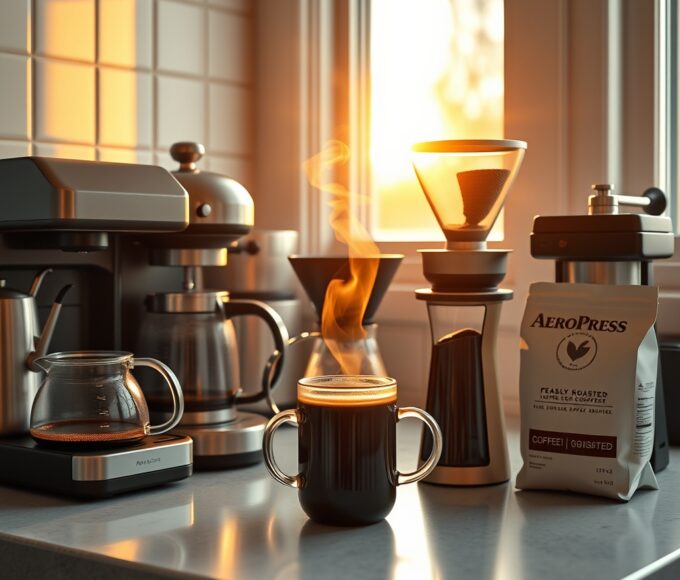







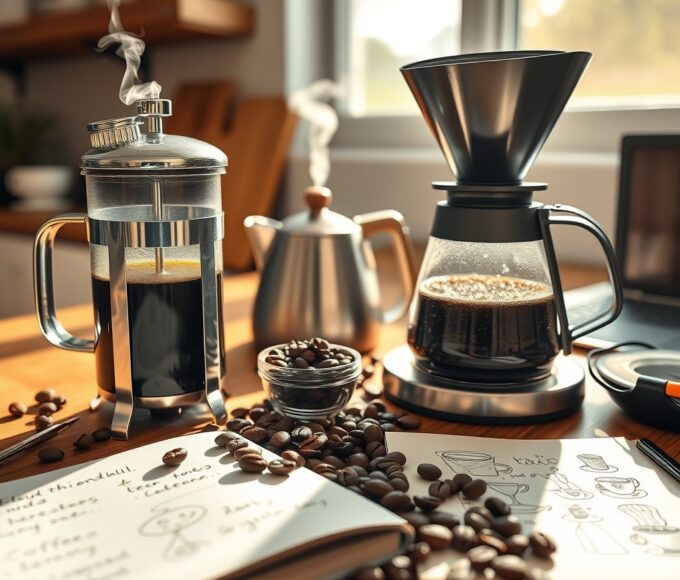








Imagine waking up to the rich, inviting aroma of freshly brewed coffee. For many, this is not just a morning ritual, but a moment of pure bliss that sets the tone for the day. Coffee, in its many forms and flavors, has become an integral part of our daily lives. But have you ever wondered what goes into brewing that perfect cup of coffee? It’s not just about the beans or the brewing method; it’s an art and a science that involves a deep understanding of various factors and techniques.
The Journey of Coffee Beans
The journey of coffee beans is a fascinating one. From the lush coffee plantations to your cup, these beans undergo a series of processes that significantly influence their final flavor. The type of coffee plant, the soil, the climate, and the altitude all play crucial roles in shaping the beans’ characteristics. Arabica and Robusta are the two primary types of coffee beans, each with its unique flavor profile. Arabica beans, grown at higher altitudes, are known for their sweet, delicate flavor, while Robusta beans, grown at lower altitudes, have a stronger, more bitter taste.
The processing method also greatly impacts the beans’ flavor. The three main methods are washed (wet), natural (dry), and honey (pulped natural). Washed coffees are known for their clean, bright flavors, while natural coffees have a heavier body and more pronounced fruitiness. Honey processed coffees fall somewhere in between, with a balance of sweetness and acidity.
The Roasting Process
Roasting is where the magic happens. It’s the process that transforms green coffee beans into the aromatic, flavorful beans we know and love. The roasting process involves heating the beans to high temperatures, causing them to undergo physical and chemical changes. The length and temperature of the roast greatly influence the beans’ final flavor.
Light roasts are roasted for a shorter time and at lower temperatures, preserving the beans’ original flavors. They tend to have a lighter body and higher acidity. Medium roasts are roasted a bit longer, balancing the beans’ original flavors with the flavors developed during roasting. Dark roasts are roasted the longest, resulting in a heavy body and low acidity. The beans’ original flavors are mostly overshadowed by the flavors developed during roasting.
The Brewing Methods
There are numerous brewing methods, each with its unique characteristics and requirements. The most common methods include drip brewing, French press, espresso, and cold brew. The brewing method you choose can greatly influence your coffee’s final flavor.
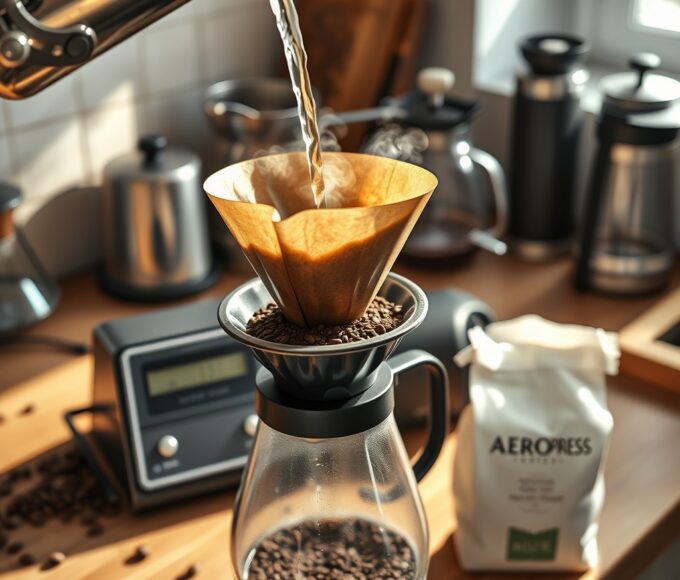
Drip brewing is one of the most popular methods, especially in the United States. It involves pouring hot water over ground coffee contained in a filter. The water then drips through the coffee and filter into a carafe. This method produces a clean, bright cup of coffee with a medium body.
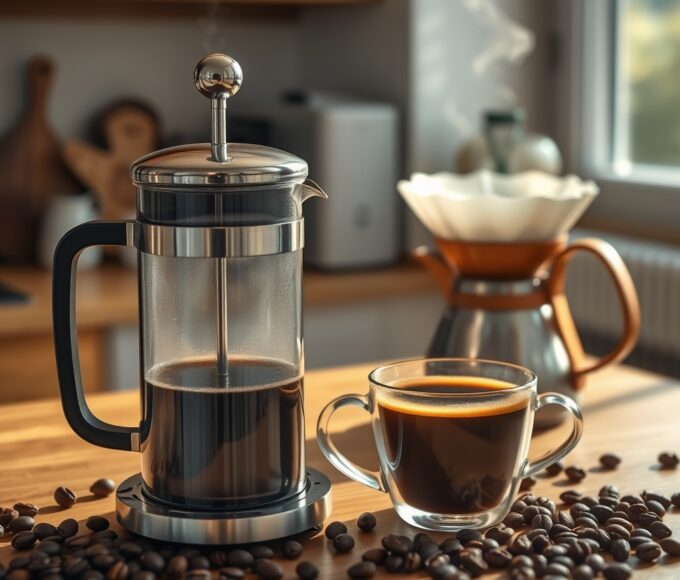
The French press, also known as a press pot or plunger pot, is a simple yet effective brewing method. It involves steeping coarsely ground coffee in hot water and then pressing the grounds to the bottom of the pot with a metal or plastic mesh filter. This method produces a full-bodied cup of coffee with a rich, robust flavor.
Espresso is a concentrated coffee beverage brewed by forcing hot water under pressure through finely ground coffee. It’s the base for many popular coffee drinks, like lattes and cappuccinos. Espresso has a strong, intense flavor with a thick, creamy texture.
Cold brew is a method that involves steeping coffee grounds in cold water for an extended period, usually 12 hours or more. The result is a smooth, low-acid coffee with a unique flavor profile. Cold brew is often served over ice, making it a popular choice for warm weather.
The Importance of Water
Water is often overlooked in the coffee brewing process, but it plays a crucial role. The quality and temperature of the water can greatly influence your coffee’s final flavor. Ideally, you should use fresh, cold water that’s free of impurities. The water temperature should be between 195°F and 205°F (90°C and 96°C). Water that’s too hot can over-extract the coffee, resulting in a bitter taste. Water that’s too cold can under-extract the coffee, resulting in a weak, sour taste.
The Grind Size
The grind size is another critical factor in brewing the perfect cup of coffee. The grind size affects the extraction rate, which in turn affects the coffee’s final flavor. A grind that’s too fine can result in over-extraction and a bitter taste. A grind that’s too coarse can result in under-extraction and a weak, sour taste.
The ideal grind size depends on the brewing method. For drip brewing, a medium grind is typically recommended. For French press, a coarse grind is best. For espresso, a fine grind is necessary to create the required pressure. For cold brew, a coarse grind is usually recommended to prevent over-extraction during the long steeping time.
The Brewing Time
The brewing time is the final piece of the puzzle. It refers to the amount of time the water is in contact with the coffee grounds. The brewing time affects the extraction rate, which in turn affects the coffee’s final flavor. A brewing time that’s too long can result in over-extraction and a bitter taste. A brewing time that’s too short can result in under-extraction and a weak, sour taste.
The ideal brewing time depends on the brewing method. For drip brewing, the brewing time is typically around 5 minutes. For French press, the brewing time is usually around 4 minutes. For espresso, the brewing time is very short, usually around 20-30 seconds. For cold brew, the brewing time is much longer, usually 12 hours or more.
Brewing the perfect cup of coffee is a journey of discovery and experimentation. It’s about understanding the different factors and techniques involved and how they interact with each other. It’s about exploring the vast world of coffee and finding what you love. So, the next time you brew a cup of coffee, take a moment to appreciate the art and science behind it. After all, every cup tells a story, a story of a journey that begins in the lush coffee plantations and ends in your cup.











Leave a comment