



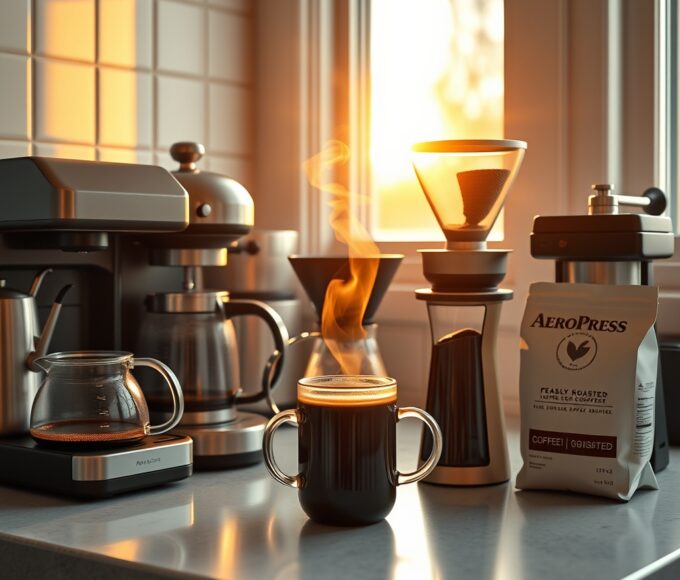







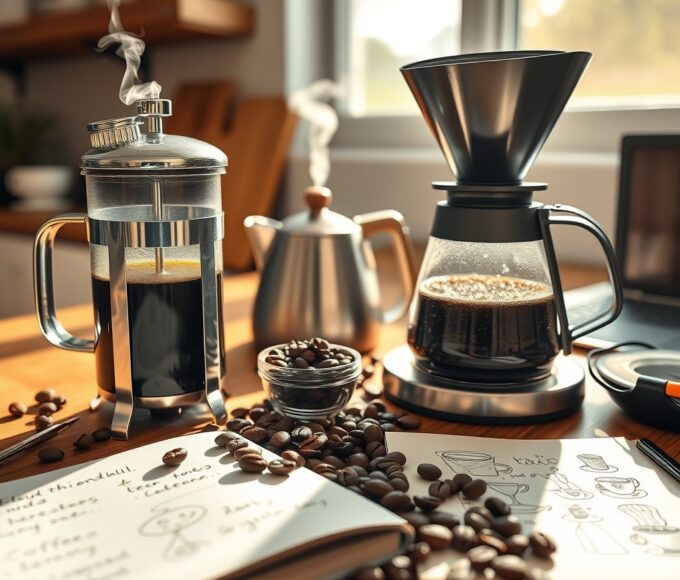






Imagine starting your day with a cup of coffee that is not just good, but perfect. The aroma wafting through the air, the rich flavor dancing on your taste buds, and the warmth spreading through your body. Brewing the perfect cup of coffee is an art, a science, and a ritual that has been refined over centuries. It is a journey that begins with the humble coffee bean and ends with a steaming cup of liquid gold.
The History of Coffee Brewing
The story of coffee brewing is as rich and complex as the beverage itself. Legend has it that coffee was discovered by an Ethiopian goat herder named Kaldi, who noticed his goats became energetic after eating the red berries from a certain plant. He shared his findings with the local monastery, and thus, the love affair with coffee began. From Ethiopia, coffee spread to the Arabian Peninsula, where it was first cultivated and traded. By the 15th century, coffee had reached Persia, Egypt, Syria, and Turkey. It was in these regions that the first coffeehouses, known as qahveh khaneh, were established.
Coffeehouses quickly became hubs of social activity and intellectual exchange. They were places where people gathered to drink coffee, engage in conversation, listen to music, and play games. The popularity of coffeehouses spread to Europe, and by the 17th century, they had become an integral part of European culture. It was during this time that the art of coffee brewing began to evolve, with different regions developing their unique methods and techniques.
The Science Behind the Perfect Brew
Brewing the perfect cup of coffee is not just an art; it is also a science. The process involves a series of chemical reactions that extract the flavors and aromas from the coffee beans. The key to a great cup of coffee lies in understanding and controlling these reactions.
The Role of Water
Water is the most critical ingredient in coffee brewing, making up about 98% of the final product. The quality, temperature, and mineral content of the water can significantly impact the taste of the coffee. Ideally, the water should be clean, fresh, and free of impurities. The temperature should be between 195°F and 205°F (90°C and 96°C). Water that is too hot can over-extract the coffee, resulting in a bitter taste, while water that is too cold can under-extract the coffee, leading to a weak and sour brew.
The Importance of Coffee Beans
The coffee beans themselves play a crucial role in the brewing process. The type of bean, the region it was grown in, the altitude, the soil, and the climate all contribute to the final flavor of the coffee. Arabica and Robusta are the two most common types of coffee beans. Arabica beans are known for their sweet, delicate flavor and low acidity, while Robusta beans have a stronger, more bitter taste and higher caffeine content.
The freshness of the beans is also essential. Coffee beans are at their peak flavor within a few weeks of being roasted. After that, they begin to lose their aroma and taste. Therefore, it is best to buy whole bean coffee and grind it just before brewing to preserve the freshness and flavor.
The Grind
The grind of the coffee beans is another critical factor in the brewing process. The size of the grind affects the extraction rate, which in turn impacts the flavor of the coffee. A fine grind has a larger surface area, which allows for faster extraction, while a coarse grind has a smaller surface area and extracts more slowly.
The ideal grind size depends on the brewing method. For example, a fine grind is best for espresso machines, while a medium grind is suitable for drip coffee makers. A coarse grind is ideal for French press and cold brew methods. Using the wrong grind size can result in over-extraction or under-extraction, leading to a bitter or weak cup of coffee.
The Art of Brewing
While the science of coffee brewing is essential, the art of brewing is what truly brings the coffee to life. The art lies in the passion, the creativity, and the personal touch that each brewer brings to the process. It is about experimenting with different beans, grinds, and brewing methods to create a cup of coffee that is uniquely yours.
Brewing Methods
There are numerous brewing methods, each with its unique characteristics and techniques. Some of the most popular methods include:
Drip Brewing
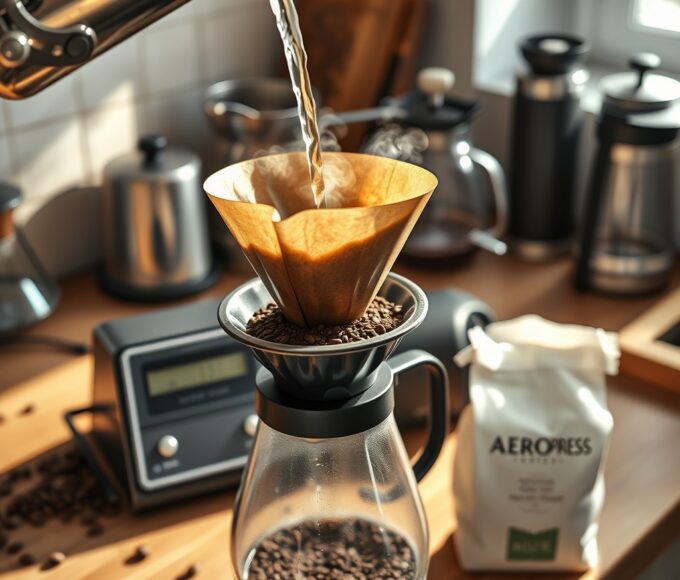
Drip brewing is one of the most common methods of coffee brewing. It involves pouring hot water over ground coffee beans, which are held in a filter. The water extracts the flavors and aromas from the beans as it drips through the filter and into a carafe or pot. Drip brewing is convenient and easy to use, making it a popular choice for home brewing.
French Press
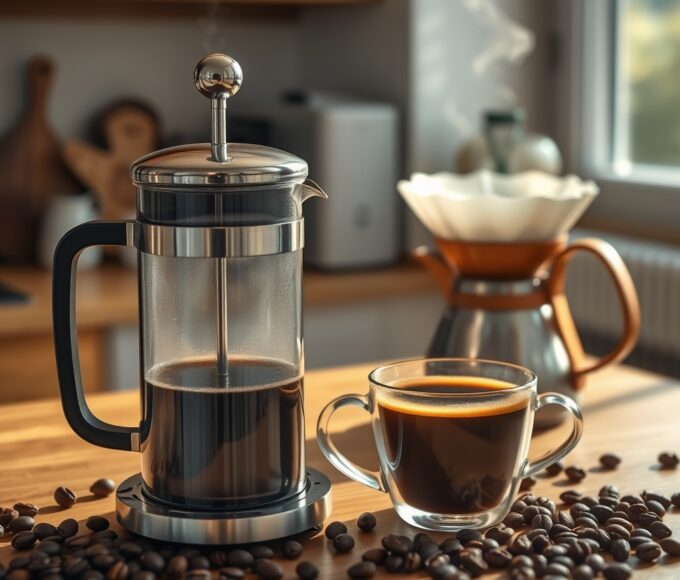
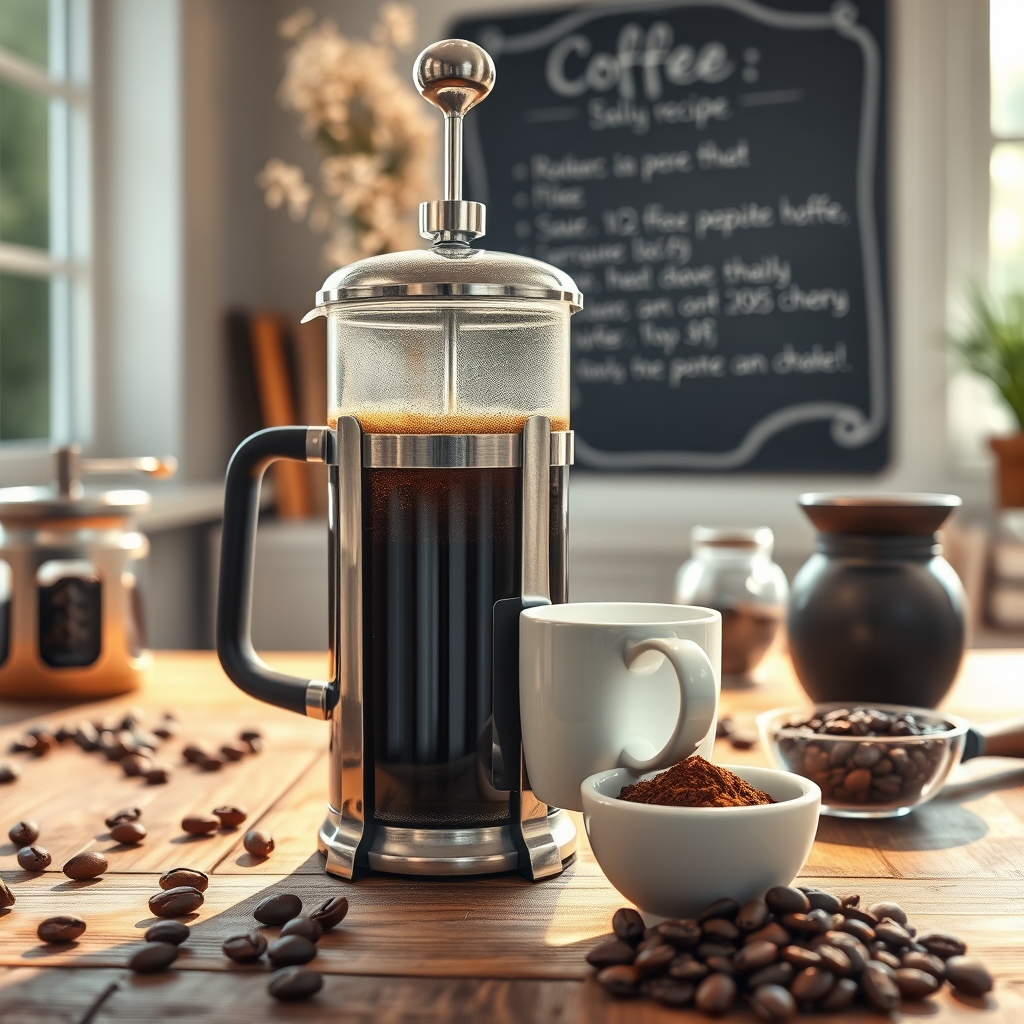
The French press, also known as a press pot or plunger pot, is a classic brewing method that produces a rich and full-bodied cup of coffee. It involves steeping coarse ground coffee in hot water for several minutes, then pressing a metal filter through the mixture to separate the grounds from the liquid. The French press allows for full immersion of the coffee grounds, resulting in a more robust and flavorful brew.
Espresso
Espresso is a concentrated form of coffee that is brewed under high pressure. It involves forcing hot water through finely ground coffee beans, resulting in a thick, syrupy liquid with a layer of crema on top. Espresso is the base for many popular coffee drinks, such as lattes, cappuccinos, and Americanos. Brewing espresso requires specialized equipment, such as an espresso machine, and a certain level of skill and expertise.
Cold Brew
Cold brew is a method of brewing coffee that involves steeping coarse ground coffee in cold water for an extended period, usually 12 to 24 hours. The result is a smooth, low-acid coffee with a naturally sweet flavor. Cold brew is typically served over ice and is a popular choice for hot summer days. It is also a great option for those who prefer a less acidic cup of coffee.
Experimenting with Flavors
One of the joys of coffee brewing is experimenting with different flavors. This can be done by trying out various types of beans, roasts, and brewing methods. It can also involve adding flavors to the coffee, such as syrups, spices, or extracts. Some popular flavor additions include vanilla, caramel, cinnamon, and cocoa. However, it is essential to remember that the best cup of coffee is one that is brewed with high-quality beans and water, and that the flavors should enhance, not mask, the natural taste of the coffee.
Brewing the perfect cup of coffee is a journey of discovery and experimentation. It is about understanding the science behind the process and embracing the art of brewing. It is a ritual that connects us to the rich history and culture of coffee, and it is a passion that brings people together. So, the next time you brew a cup of coffee, take a moment to appreciate the art and science that went into creating that perfect sip. Allow yourself to be fully present in the experience, engaging all your senses. Notice the aroma of the freshly ground beans, the sound of the water as it hits the grounds, the sight of the coffee as it drips into the carafe, and the taste of that first sip as it awakens your senses. In that moment, you are not just drinking a cup of coffee; you are participating in a centuries-old tradition, a global phenomenon, and a personal ritual that is uniquely yours.










Leave a comment