

















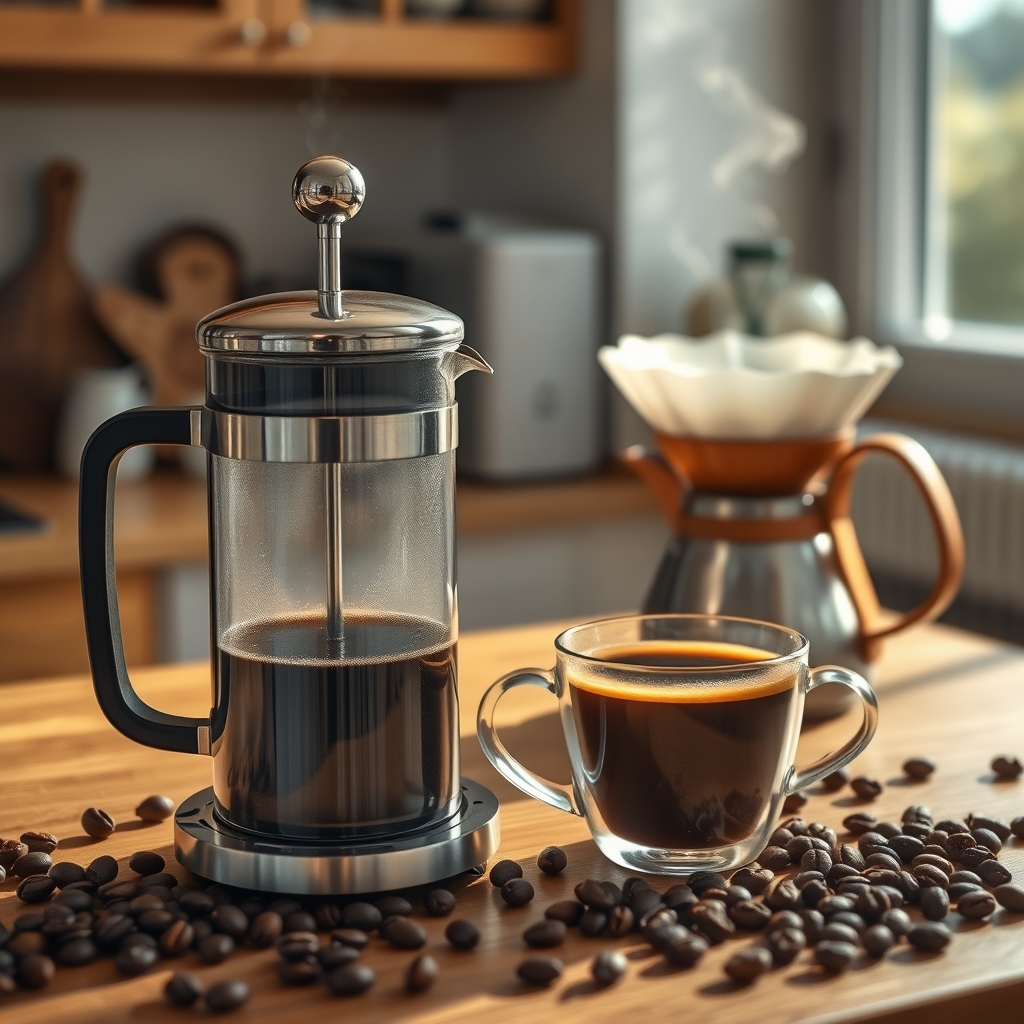
Imagine waking up to the rich, inviting aroma of freshly brewed coffee. For many, this is not just a morning ritual, but a sensory experience that sets the tone for the day. Brewing the perfect cup of coffee is both an art and a science, requiring precision, patience, and a deep understanding of various factors that contribute to the final product. In this article, we will delve into the intricacies of coffee brewing, exploring everything from the selection of beans to the final pour.
The Journey of Coffee Beans
The journey to a perfect cup of coffee begins with the selection of high-quality beans. Coffee beans are typically sourced from two main species: Arabica and Robusta. Arabica beans are known for their sweet, delicate flavor and higher acidity, while Robusta beans are more robust, with a stronger, more bitter taste. The choice between these beans, or a blend of both, can significantly influence the flavor profile of your coffee.
Once the beans are harvested, they undergo a process of drying, milling, and roasting. Roasting is a crucial step that transforms the green coffee beans into the aromatic brown beans we recognize. The roasting process can range from light to dark, each level imparting a unique flavor characteristic to the beans. Light roasts retain more of the bean’s original flavor and acidity, while dark roasts develop a deeper, more caramelized flavor.
The Grind: Size Matters
The grind size of your coffee beans plays a pivotal role in the extraction process. The goal is to achieve a consistent grind size that matches your brewing method. For instance, a coarse grind is ideal for French press coffee, while a fine grind is better suited for espresso. The grind size affects the surface area of the coffee particles, which in turn influences the extraction rate. A grind that is too fine can lead to over-extraction, resulting in a bitter taste, while a grind that is too coarse can lead to under-extraction, producing a weak and sour cup.
The Water: Quality and Temperature
Water is the unsung hero of coffee brewing. The quality and temperature of the water can make or break your cup of coffee. Ideally, you should use filtered water to avoid any impurities that could affect the taste. The temperature of the water is equally important. The Specialty Coffee Association (SCA) recommends a water temperature between 195°F and 205°F (90°C to 96°C) for optimal extraction. Water that is too hot can over-extract the coffee, leading to bitterness, while water that is too cool can under-extract, resulting in a flat and lifeless cup.
Brewing Methods: From French Press to Espresso
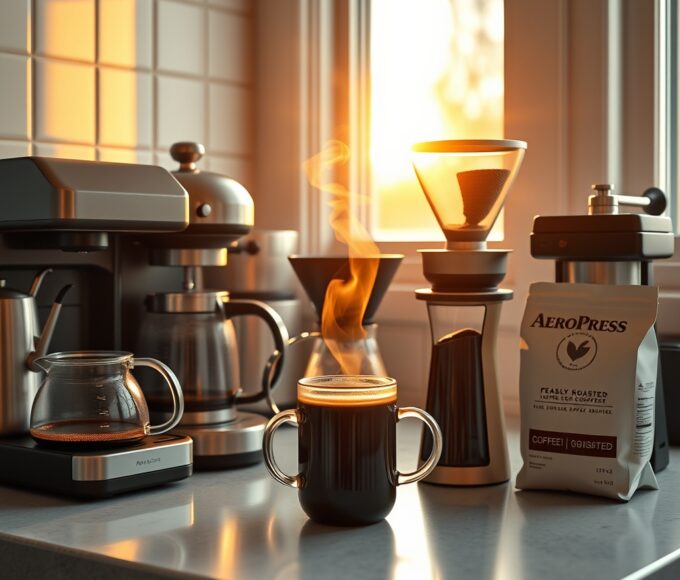
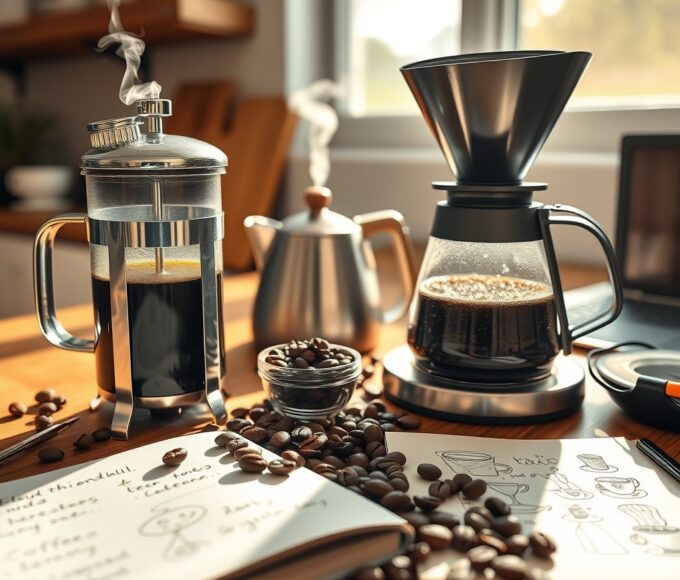
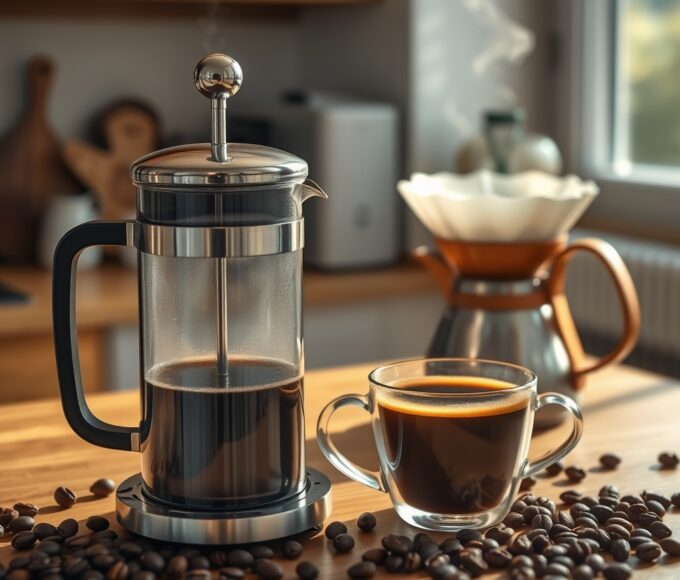
There are numerous brewing methods, each with its own unique characteristics and requirements. The French press, for example, is a full-immersion method that allows the coffee grounds to steep in hot water, producing a rich and full-bodied cup. On the other hand, the pour-over method involves a more controlled extraction, where hot water is poured over the coffee grounds in a slow, circular motion, resulting in a cleaner and more nuanced flavor profile.
Espresso, perhaps the most iconic of all brewing methods, involves forcing hot water through finely-ground coffee under high pressure. This method produces a concentrated shot of coffee with a rich crema on top, characterized by its intense flavor and aroma. Mastering the espresso shot requires precision in grind size, water temperature, and extraction time.
The Art of the Pour
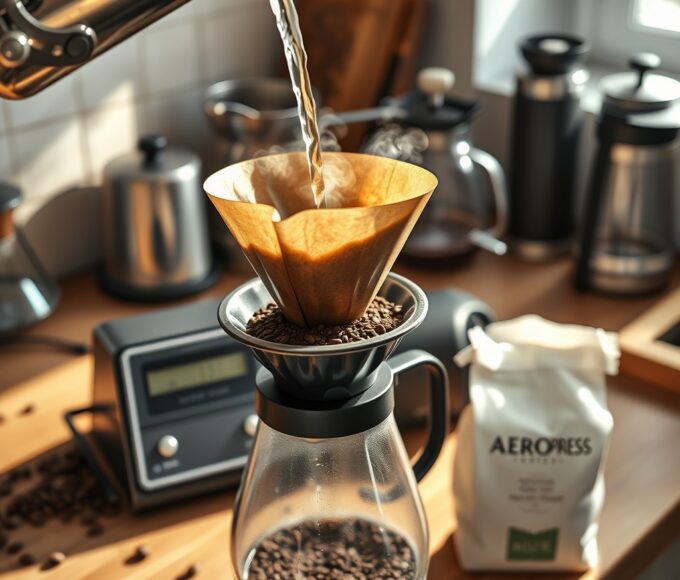
The pour is a critical step in many brewing methods, particularly in pour-over coffee. The way you pour the water can significantly affect the extraction process. A slow, steady pour in a spiral motion ensures even saturation of the coffee grounds, allowing for a balanced extraction. The pour should be controlled and deliberate, avoiding the edges of the filter to prevent channeling, where water bypasses the coffee grounds and leads to uneven extraction.
The Role of Time in Extraction
Time is a crucial factor in the coffee brewing process. The length of time the water is in contact with the coffee grounds determines the strength and flavor of the final cup. Different brewing methods require different extraction times. For example, a French press typically requires a steeping time of 4 to 5 minutes, while an espresso shot is extracted in about 25 to 30 seconds. Understanding the optimal extraction time for your chosen brewing method is essential for achieving the perfect cup.
Over-extraction occurs when the coffee grounds are in contact with water for too long, leading to a bitter and harsh taste. Under-extraction, on the other hand, happens when the extraction time is too short, resulting in a weak and sour cup. Finding the right balance is key to unlocking the full potential of your coffee beans.
The Importance of Freshness
Freshness is a often overlooked but vital aspect of coffee brewing. Coffee beans are at their peak flavor within a few weeks of roasting. As time passes, the beans lose their aromatic compounds and oils, leading to a stale and flat taste. To ensure the freshest cup, it is recommended to buy whole bean coffee and grind it just before brewing. Storing your coffee beans in an airtight container away from light, heat, and moisture can also help preserve their freshness.
In the world of coffee, every detail matters. From the selection of beans to the final pour, each step in the brewing process contributes to the creation of a perfect cup. It is a journey of discovery and experimentation, where precision and patience are rewarded with a sensory experience that is both comforting and invigorating. So, the next time you brew a cup of coffee, take a moment to appreciate the art and science behind it, and savor every sip as a testament to the craft of coffee brewing.





Leave a comment