



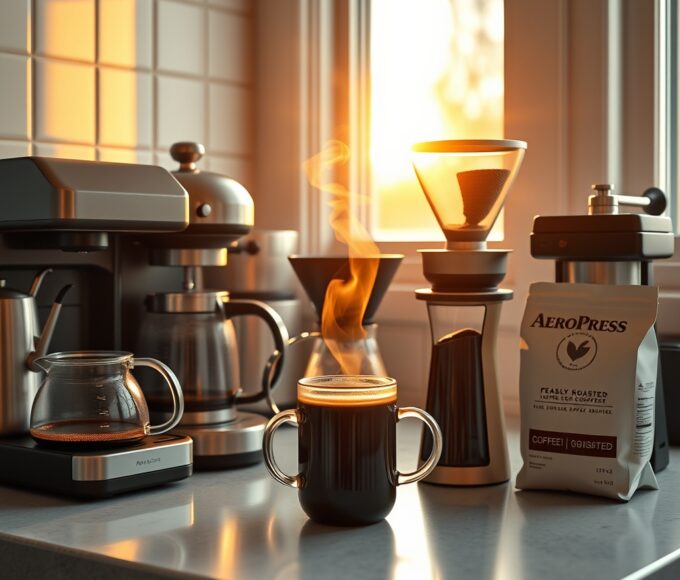













Imagine waking up to the rich, inviting aroma of freshly brewed coffee, perfectly tailored to your taste. The journey to achieving this daily luxury at home is both an art and a science, blending precision with personal preference. Brewing the perfect cup of coffee involves understanding the nuances of coffee beans, grind size, water quality, and brewing methods. It’s a craft that anyone can master with a bit of knowledge and practice.
The Basics: Understanding Coffee Beans
Coffee beans are the foundation of any great cup of coffee. They come in a variety of types, primarily categorized into Arabica and Robusta. Arabica beans are known for their sweet, delicate flavors and higher acidity, while Robusta beans are stronger, more bitter, and contain more caffeine. The region where the beans are grown also significantly impacts their flavor profile. For instance, beans from Ethiopia might offer floral and fruity notes, while those from Colombia could have a balanced, nutty flavor.
When selecting beans, opt for freshly roasted ones from a reputable source. Freshness is crucial, as coffee beans start to lose their flavor and aroma soon after roasting. Ideally, use beans within a month of their roast date. If possible, buy whole beans and grind them yourself just before brewing to preserve the coffee’s essential oils and flavors.
Grind Size Matters
The grind size of your coffee beans plays a pivotal role in the brewing process. It affects the extraction rate, which in turn influences the flavor and strength of your coffee. A general rule of thumb is that the longer the coffee grounds are in contact with water, the coarser the grind should be. For example, a French press requires a coarse grind because the coffee steeps in water for several minutes. On the other hand, espresso machines use a fine grind because the water passes through the coffee quickly under high pressure.
Investing in a good quality burr grinder is essential for achieving a consistent grind size. Blade grinders, while cheaper, often produce uneven grounds, leading to inconsistent extraction and a subpar cup of coffee. A burr grinder, whether manual or electric, ensures uniformity, allowing for better control over the brewing process.
The Importance of Water Quality
Water makes up the majority of your coffee, so its quality is paramount. Tap water can contain impurities and minerals that affect the taste of your coffee. Ideally, use filtered water to remove any off-flavors and ensure a clean, crisp taste. The water temperature also plays a crucial role in extraction. The ideal range is between 195°F and 205°F (90°C to 96°C). Water that’s too hot can over-extract the coffee, leading to bitterness, while water that’s too cool can under-extract, resulting in a weak, sour brew.
Choosing the Right Brewing Method
There are numerous brewing methods available, each with its unique characteristics and requirements. Here are a few popular ones:
Drip Coffee Makers
Drip coffee makers are convenient and easy to use, making them a popular choice for many households. They work by dripping hot water over coffee grounds contained in a filter. The water then passes through the grounds and filter, extracting the coffee’s flavors and aromas before collecting in a carafe. To get the best results, use a medium grind size and ensure the coffee maker is clean and well-maintained.
French Press
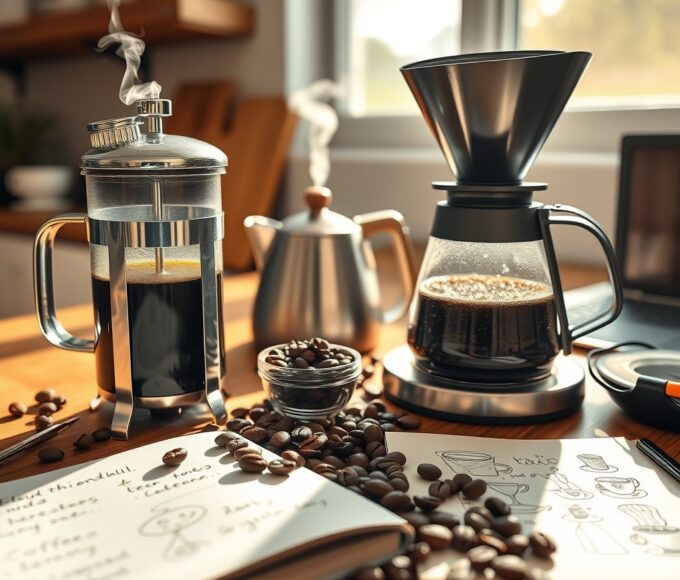
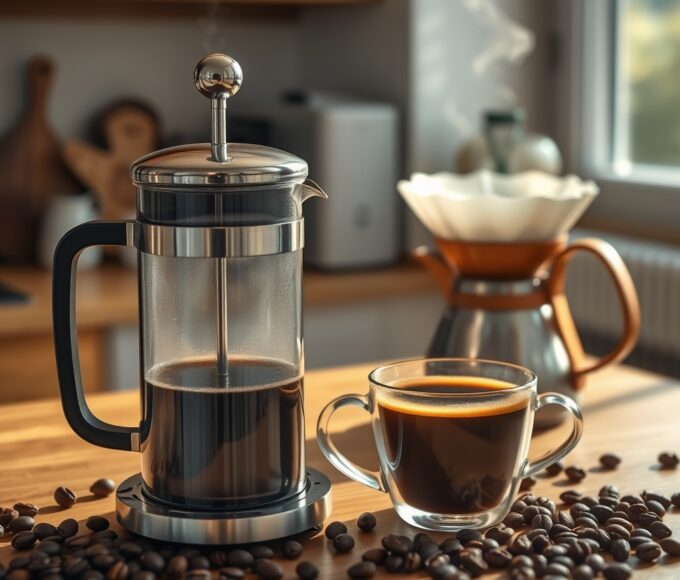
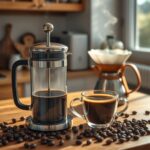
The French press, also known as a press pot or plunger pot, is a classic manual brewing method that produces a rich, full-bodied cup of coffee. It consists of a cylindrical glass or plastic container with a plunger and built-in filter screen. Coarsely ground coffee is steeped in hot water for several minutes before the plunger is pressed down to separate the grounds from the liquid. The French press allows for full immersion of the coffee grounds, resulting in a robust and flavorful brew.
Pour-Over
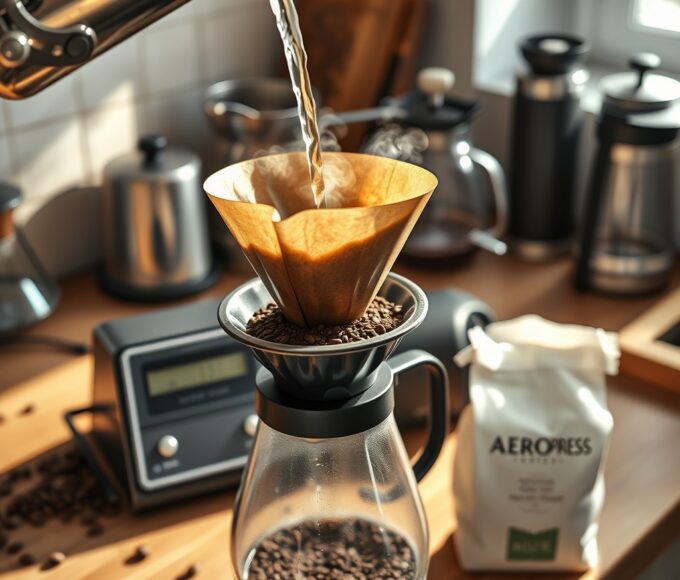
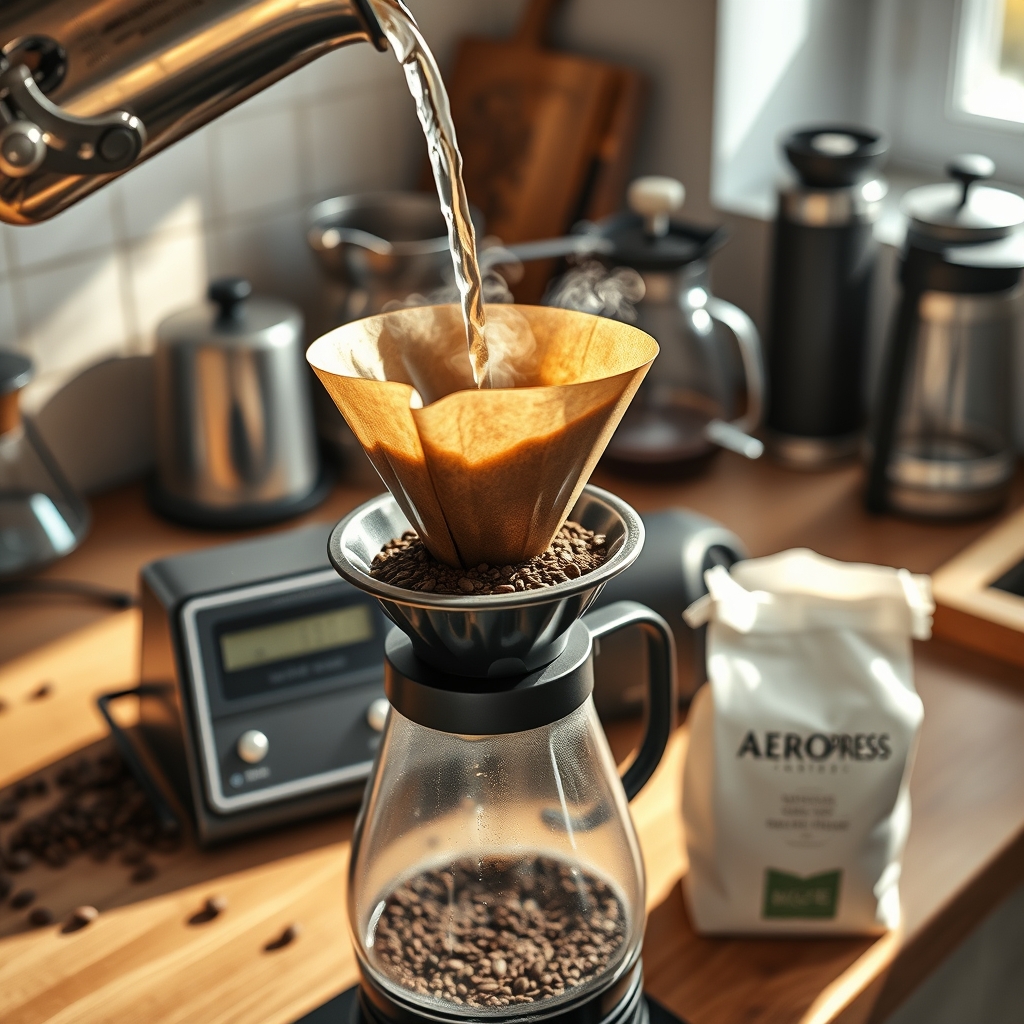
Pour-over coffee makers, such as the Hario V60 or Chemex, offer a more hands-on approach to brewing. They consist of a cone-shaped dripper and a filter, through which hot water is poured over coffee grounds. The pour-over method allows for greater control over the brewing process, as the water flow and extraction time can be adjusted to suit personal preferences. Use a medium-fine grind size and pour the water in a slow, steady spiral to ensure even extraction.
AeroPress
The AeroPress is a versatile and portable brewing device that combines elements of both immersion and pressure brewing. It consists of a cylindrical chamber and a plunger with an airtight silicone seal. Coffee grounds and hot water are mixed in the chamber before the plunger is pressed down, forcing the coffee through a filter and into a cup. The AeroPress is known for its ability to produce a smooth, rich cup of coffee with low acidity. Experiment with different grind sizes and brewing times to find your perfect recipe.
Mastering the Brewing Process
Once you’ve selected your beans, grind size, and brewing method, it’s time to master the brewing process. Here are some tips to help you achieve the perfect cup:
Measure Your Coffee and Water
Using the right coffee-to-water ratio is crucial for achieving a balanced and flavorful brew. A general guideline is to use 1 to 2 tablespoons of coffee per 6 ounces of water, but this can be adjusted to suit your taste preferences. Investing in a kitchen scale can help you measure your coffee and water accurately, ensuring consistency in each brew.
Pre-Infusion
Pre-infusion, also known as blooming, is the process of wetting the coffee grounds with a small amount of hot water before the main brewing process. This allows the grounds to release any trapped carbon dioxide, which can interfere with extraction. Pre-infusion helps to ensure even saturation and extraction, resulting in a more flavorful and aromatic cup of coffee. For manual brewing methods like pour-over or French press, pour just enough water to saturate the grounds, wait for about 30 seconds, and then proceed with the main brewing process.
Brew Time
The brew time, or the amount of time the coffee grounds are in contact with water, significantly impacts the extraction process. Different brewing methods require different brew times, ranging from a quick 20-30 seconds for espresso to several minutes for methods like the French press or cold brew. Experiment with different brew times to find the sweet spot that produces a well-balanced and flavorful cup of coffee.
Clean Your Equipment
Regularly cleaning your coffee equipment is essential for maintaining the quality and flavor of your brew. Coffee oils and residues can build up over time, leading to stale or off-flavors. Follow the manufacturer’s instructions for cleaning and descaling your coffee maker, and make sure to rinse all equipment thoroughly with water after each use. For manual brewing methods, disassemble and clean each component regularly to ensure optimal performance and longevity.
As you embark on your journey to brew the perfect cup of coffee at home, remember that the process is both an art and a science. It requires patience, practice, and a willingness to experiment with different variables to find what works best for you. Embrace the learning curve and enjoy the sensory experience that each cup offers. With time and dedication, you’ll be able to craft a cup of coffee that rivals those from the finest cafes, all from the comfort of your own home.




Leave a comment