














In the hustle and bustle of modern life, finding a moment of tranquility can seem like an impossible task. The constant barrage of notifications, emails, and messages can leave us feeling overwhelmed and disconnected from ourselves. However, there is a powerful tool that can help us navigate this chaos and find inner peace: mindfulness.
The Origins of Mindfulness
Mindfulness, the practice of maintaining a moment-by-moment awareness of our thoughts, feelings, bodily sensations, and surrounding environment, has its roots in ancient Buddhist traditions. It has been practiced for thousands of years, but it is only in recent decades that it has gained widespread recognition in the Western world.
Jon Kabat-Zinn, a professor of medicine emeritus at the University of Massachusetts, played a significant role in bringing mindfulness to the mainstream. In 1979, he founded the Mindfulness-Based Stress Reduction (MBSR) program, which has since been adopted by hospitals, schools, and corporations worldwide.
The Science Behind Mindfulness
While mindfulness has its origins in spiritual practices, its benefits are backed by a growing body of scientific research. Studies have shown that regular mindfulness practice can lead to changes in the brain associated with improved memory, empathy, and stress regulation.
One of the most well-known studies in this field was conducted by Sara Lazar, a neuroscientist at Harvard University. Lazar found that mindfulness meditation can actually change the structure of the brain, increasing the thickness of the prefrontal cortex, which is responsible for decision-making and attention, and decreasing the size of the amygdala, which is responsible for fear and stress.
The Benefits of Mindfulness
The benefits of mindfulness are wide-ranging and can have a profound impact on our physical and mental well-being. Here are just a few of the ways that mindfulness can improve our lives:
Reduced Stress and Anxiety
Mindfulness has been shown to reduce levels of cortisol, the hormone associated with stress. By focusing on the present moment, we can let go of worries about the future and regrets about the past, which can significantly reduce feelings of anxiety.
Improved Focus and Concentration
In a world filled with distractions, maintaining focus can be a challenge. Mindfulness helps us train our attention, allowing us to stay focused on the task at hand. This can lead to improved productivity and a greater sense of accomplishment.
Enhanced Emotional Well-being
By cultivating a non-judgmental awareness of our thoughts and feelings, mindfulness can help us develop a greater sense of emotional balance. This can lead to improved relationships, greater self-compassion, and a more positive outlook on life.
Practical Tips for Cultivating Mindfulness
Incorporating mindfulness into your daily life doesn’t have to be complicated. Here are some practical tips to help you get started:
Start with Short Meditation Sessions
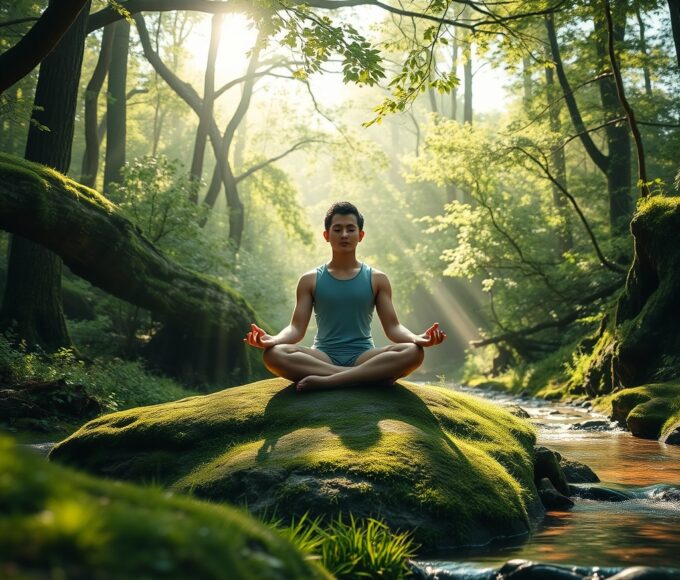
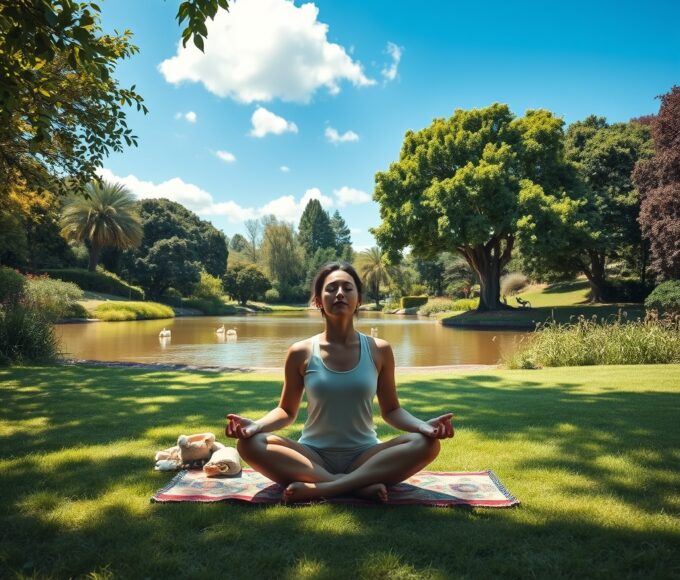
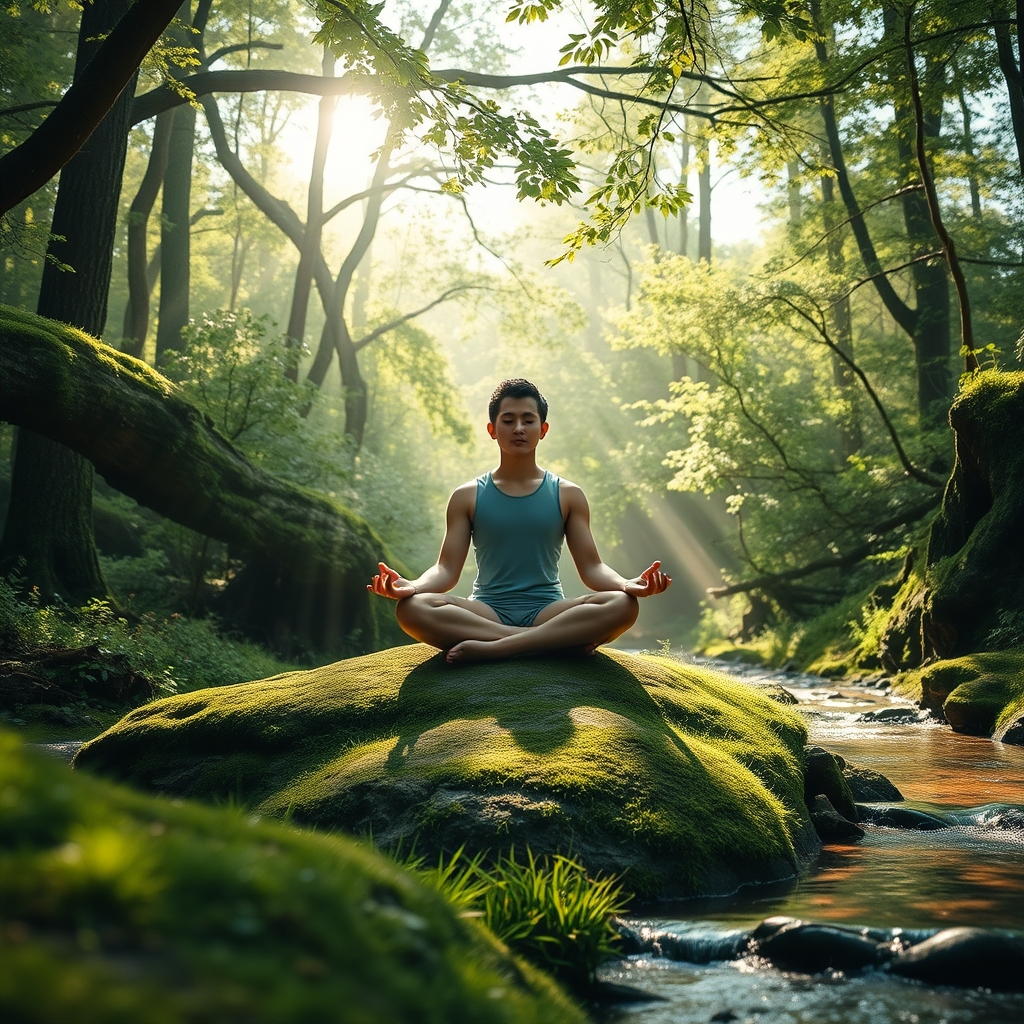
You don’t need to spend hours meditating to experience the benefits of mindfulness. Even just a few minutes each day can make a difference. Find a quiet space, sit comfortably, and focus on your breath. When your mind wanders, gently bring it back to your breath.
Practice Mindful Eating
Eating is an activity that we often do on autopilot. However, by bringing mindfulness to our meals, we can enhance our enjoyment of food and improve our digestion. Pay attention to the colors, textures, and flavors of your food. Chew slowly and savor each bite.
Incorporate Mindfulness into Everyday Activities
Mindfulness isn’t just about formal meditation practice. It’s about bringing a sense of awareness to everything we do. Whether you’re walking, showering, or brushing your teeth, try to be fully present in the moment. Notice the sensations, thoughts, and emotions that arise.
As we journey through life, it’s easy to get caught up in the whirlwind of activity and lose sight of what truly matters. Mindfulness offers us a way to reconnect with ourselves and find a sense of inner peace amidst the chaos. It’s not about escaping from reality, but rather about fully engaging with it, with an open heart and a clear mind. So why not take a moment right now to pause, breathe, and simply be? In this moment, you are exactly where you need to be, and that is enough.






Leave a comment