














Introduction
From colorful juice cleanses to expensive detox teas, “detoxing” has become one of the biggest buzzwords in the wellness world. Many people turn to detox diets hoping to cleanse their bodies, lose weight quickly, or feel more energized. But how much of this is true — and how much is clever marketing?
Let’s separate the myths from the science and uncover what your body actually needs to detox effectively.
What Is a Detox Diet?
Detox diets promise to eliminate toxins from your body and help you “reset” your system. They come in many forms — juice cleanses, fasting plans, herbal supplements, and liquid-only diets — all claiming to flush out impurities and improve your health.
The idea sounds appealing, especially after periods of overeating or unhealthy habits. However, most detox products and programs oversimplify how the body works and often ignore basic nutritional science.
The Science Behind Detoxing
Here’s the truth: your body already detoxifies itself — naturally and efficiently.
Your liver, kidneys, lungs, and skin work together 24/7 to remove harmful substances.
The liver filters toxins and converts them into waste your body can eliminate.
The kidneys filter your blood and maintain fluid balance.
The lungs release carbon dioxide.
The skin excretes waste through sweat.
When these organs are supported through proper nutrition and hydration, your body doesn’t need a fancy cleanse — it’s already detoxing itself every day.
The Risks of Extreme Detox Plans
While detox diets may seem harmless, extreme versions can actually do more harm than good.
Nutrient Deficiencies:
Restricting solid foods or certain food groups deprives your body of essential vitamins, minerals, and proteins it needs to function properly.
Fatigue and Weakness:
Low-calorie detox plans can make you feel dizzy, tired, and unfocused due to lack of fuel.
Muscle Loss and Slowed Metabolism:
Prolonged fasting causes your body to break down muscle tissue for energy, leading to a slower metabolism in the long run.
Psychological Impact:
Detox diets often promote guilt-based eating and the illusion that health can be “reset” overnight. This can create a harmful cycle of restriction and overeating.
Healthy Alternatives to Detox Diets
You don’t need a detox — you need supportive daily habits that help your body do its job naturally.
Here’s how to enhance your body’s natural detox process safely and sustainably:
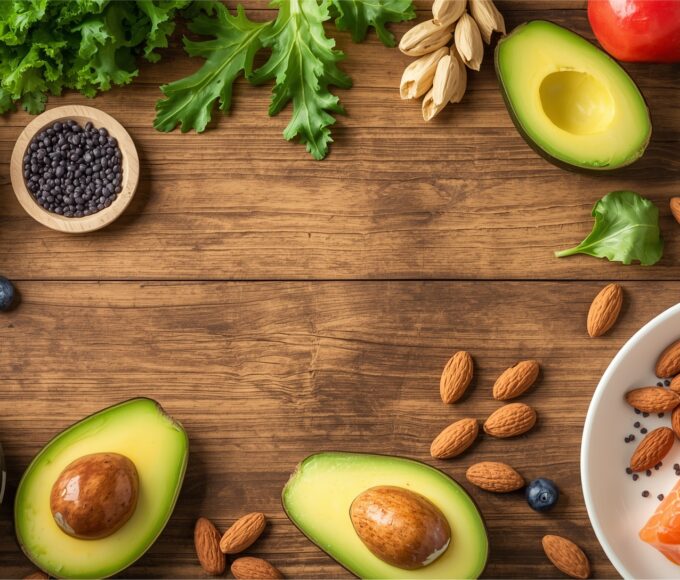
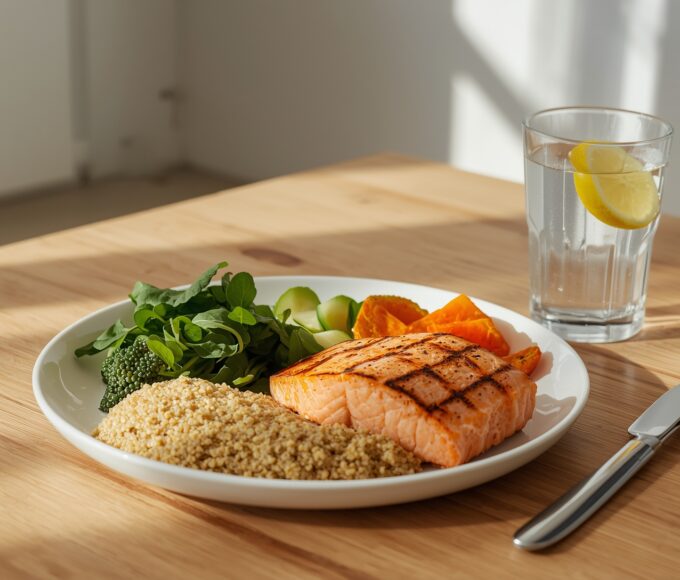
Eat whole foods: Focus on fruits, vegetables, lean proteins, and whole grains.
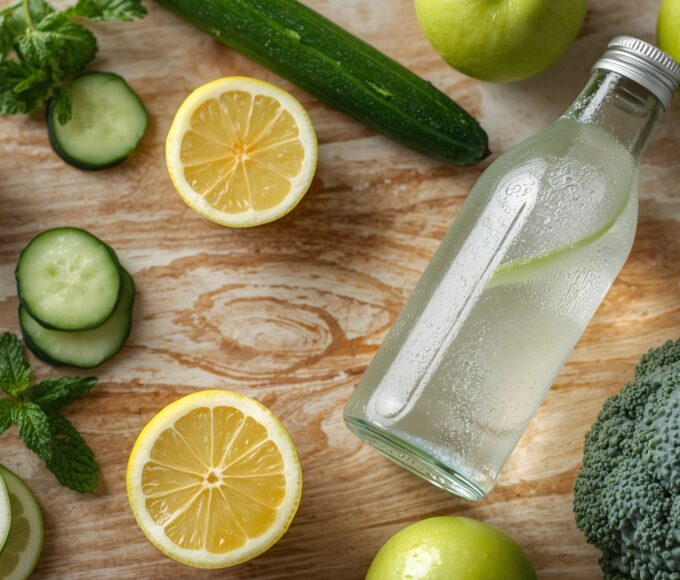
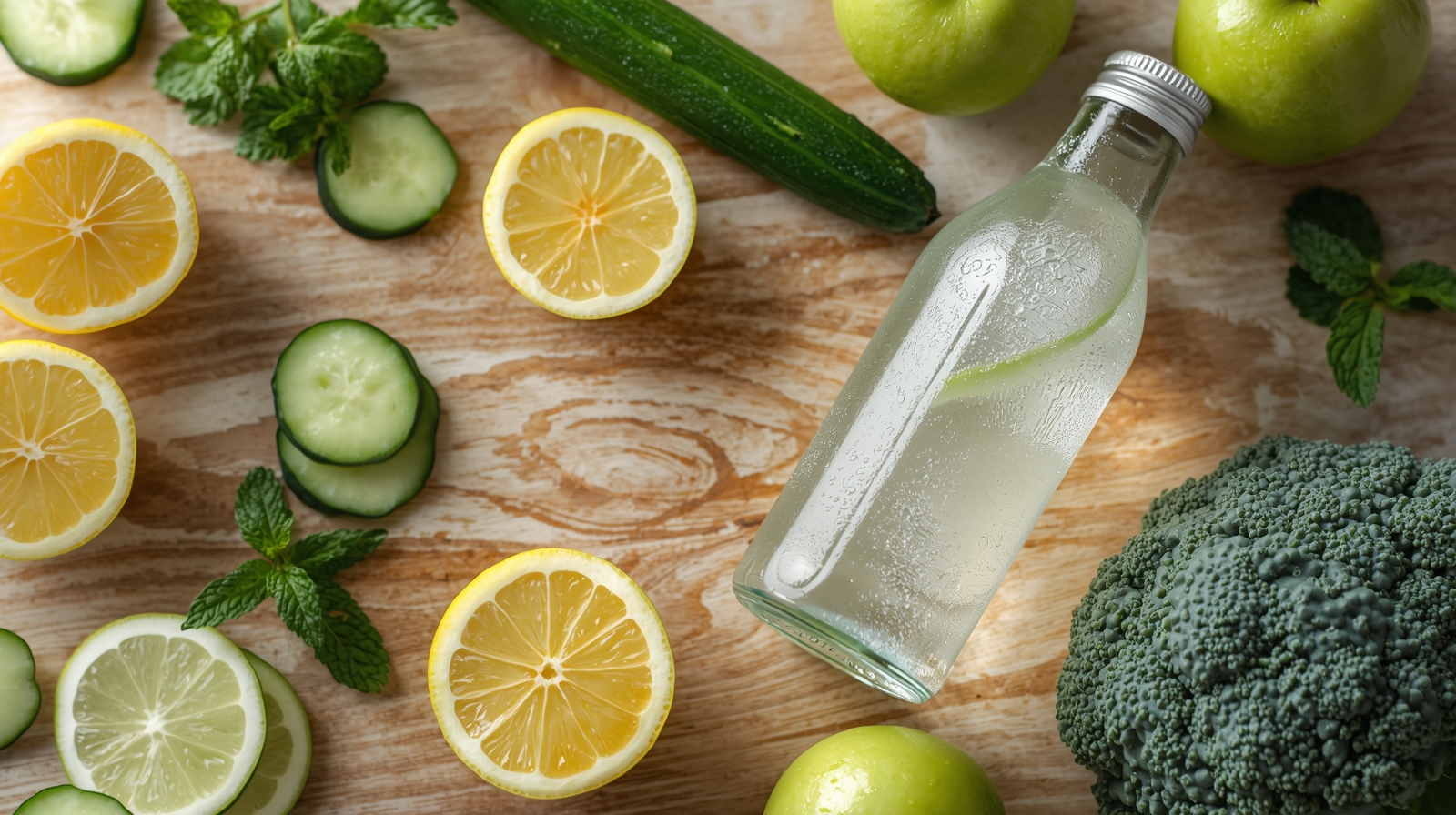
Stay hydrated: Water is the ultimate detox tool — it helps flush out waste and keeps every organ functioning smoothly.
Incorporate natural detox foods: Leafy greens, citrus fruits, garlic, turmeric, green tea, and fiber-rich foods all support liver and kidney health.
Move regularly: Physical activity boosts circulation, aids digestion, and helps the body release toxins through sweat.
Prioritize sleep: During rest, your body repairs and regenerates, including cleansing processes in the brain and organs.







Beautiful and amazing information about how to take care of the body and mind, because a healthy body resides in a healthy mind.
Intense workouts spike cortisol temporarily — and that’s normal. The problem arises when cortisol remains chronically elevated due to overtraining, poor sleep, or mental stress
This article was very interesting i learn alot from this thank for such a amazing post
Eu já tentei uma vez fazer dieta mais não consegui pois eu estou acostumado a cometer coisas gordurosas mais assim que a minha mulheres começou eu me sentei seguro em continuar a fazer a dieta porque minha mulher estava junto comigo .
Oui je pense que la vérité sur ls régimes détox sont vraiment important car avec eux le poumons libère du dioxyde de carbone je le pense vraiment
Le sport est un élément important et indispensable pour la santé de homme. Je vous recommande le sport et savoir bien ce nourrir
Detox Diets is one of the best diet i have ever seen