





















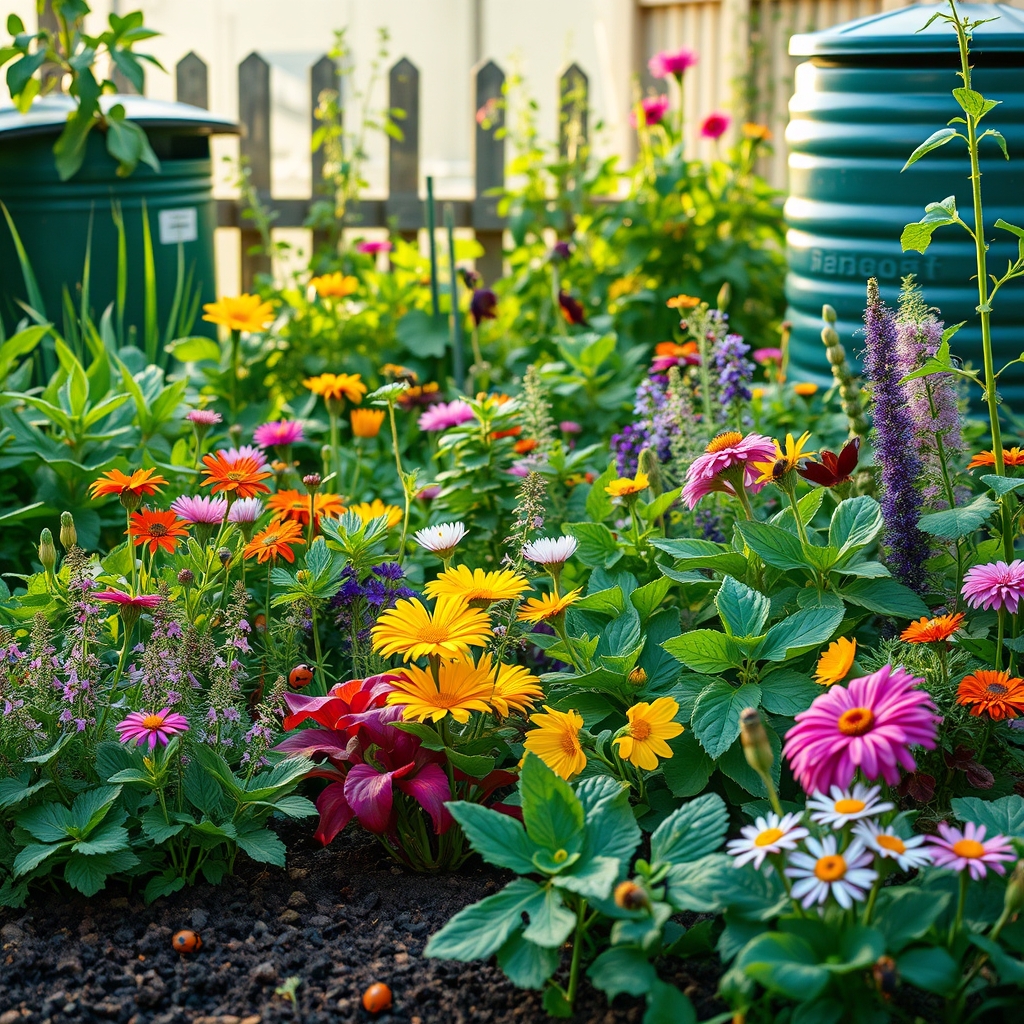
Gardening is not just a hobby; it’s a way of life that connects us to the earth and its natural cycles. Sustainable gardening takes this connection a step further by emphasizing practices that are environmentally friendly and resource-efficient. Whether you’re a seasoned gardener or a beginner, understanding the principles of sustainable gardening can help you create a thriving, eco-friendly garden that benefits both you and the planet.
The Principles of Sustainable Gardening
Soil Health
Healthy soil is the foundation of any successful garden. Sustainable gardening focuses on building and maintaining soil health through practices like composting, mulching, and avoiding synthetic fertilizers. Composting kitchen scraps and yard waste not only reduces landfill waste but also creates a nutrient-rich soil amendment. Mulching helps retain soil moisture, suppress weeds, and regulate soil temperature.
Water Conservation
Water is a precious resource, and sustainable gardening aims to use it wisely. Techniques like drip irrigation, rainwater harvesting, and xeriscaping (landscaping with drought-tolerant plants) can significantly reduce water usage. Additionally, grouping plants with similar water needs and using mulch to retain moisture can further enhance water efficiency.
Biodiversity
Encouraging biodiversity is another key principle of sustainable gardening. By planting a variety of species, you create a balanced ecosystem that supports beneficial insects, birds, and other wildlife. This can help control pests naturally, reducing the need for chemical pesticides. Companion planting, which involves growing different plants together for mutual benefit, is a great way to promote biodiversity.
Practical Tips for Sustainable Gardening
Start Small
If you’re new to sustainable gardening, start with a small plot or even a few containers. This will allow you to experiment with different techniques and learn what works best for your specific conditions. As you gain experience, you can gradually expand your garden.
Choose Native Plants
Native plants are adapted to your local climate and soil conditions, making them more resilient and easier to care for. They also provide habitat and food for local wildlife, further enhancing biodiversity. Research native plants in your area and incorporate them into your garden design.
Use Organic Methods
Avoid synthetic fertilizers and pesticides, which can harm beneficial insects and disrupt the natural balance of your garden. Instead, use organic methods like composting, crop rotation, and natural pest control. For example, ladybugs and lacewings are natural predators of many common garden pests.
The Benefits of Sustainable Gardening
Environmental Benefits
Sustainable gardening practices help conserve water, reduce waste, and promote biodiversity. By avoiding synthetic chemicals, you also reduce the risk of soil and water contamination. Additionally, sustainable gardens can act as carbon sinks, helping to mitigate climate change.
Health Benefits
Gardening is a great form of exercise and can help reduce stress and improve mental health. Growing your own fruits and vegetables also provides access to fresh, nutritious food, which can improve your overall health and well-being.
Economic Benefits
While there may be some initial costs associated with setting up a sustainable garden, the long-term benefits can outweigh these expenses. By reducing water usage, avoiding synthetic chemicals, and growing your own food, you can save money in the long run. Additionally, sustainable gardens can increase property values and provide a beautiful, functional outdoor space.
Overcoming Challenges
Pest Management
One of the biggest challenges in sustainable gardening is managing pests without resorting to synthetic chemicals. Integrated Pest Management (IPM) is a holistic approach that combines biological, cultural, physical, and chemical tools to manage pests. This can include introducing beneficial insects, using row covers, and practicing good garden hygiene.
Soil Fertility
Maintaining soil fertility can be another challenge, especially in urban areas where soil quality may be poor. Regularly adding organic matter, such as compost and aged manure, can improve soil structure and fertility. Additionally, cover cropping and green manures can help build soil organic matter and provide nutrients.
Climate Adaptation
Climate change is affecting gardens worldwide, with shifts in temperature, precipitation, and extreme weather events. Sustainable gardening practices can help gardens adapt to these changes. For example, using drought-tolerant plants and water conservation techniques can help gardens thrive in drier conditions. Additionally, planting a diverse range of species can increase resilience to pests and diseases.
As you embark on your sustainable gardening journey, remember that every small step counts. Whether it’s composting kitchen scraps, planting a few native species, or installing a rain barrel, each action contributes to a healthier, more sustainable environment. The beauty of sustainable gardening lies not just in the vibrant blooms and bountiful harvests, but in the knowledge that you are nurturing a piece of the earth and leaving a positive legacy for future generations. So, grab your gardening gloves and get started – the earth will thank you.












Leave a comment