



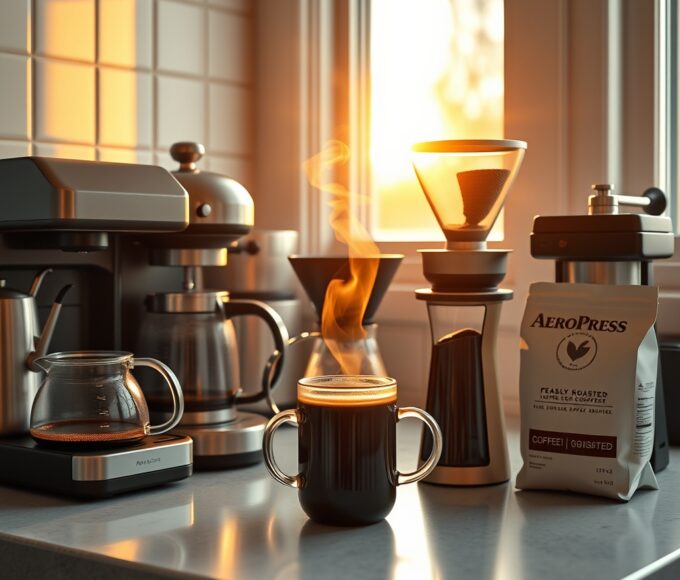












Imagine waking up to the rich, inviting aroma of freshly brewed coffee, perfectly tailored to your taste. The journey to brewing the perfect cup of coffee at home is both an art and a science, a delightful blend of precision and personal preference. With the right knowledge and tools, you can transform your daily coffee routine into a ritual that awakens the senses and soothes the soul.
The Basics of Coffee Brewing
Understanding Coffee Beans
The foundation of any great cup of coffee is the bean itself. Coffee beans come in a variety of types, each offering unique flavors and characteristics. The two most popular types are Arabica and Robusta. Arabica beans are known for their sweet, delicate flavor and higher acidity, while Robusta beans are stronger, more bitter, and contain more caffeine. Understanding the differences between these beans can help you choose the right one for your taste preferences.
The Importance of Freshness
Freshness is crucial when it comes to coffee. Once beans are roasted, they begin to lose their freshness and flavor. To ensure you’re getting the best taste, it’s recommended to buy whole bean coffee and grind it yourself just before brewing. This preserves the delicate aromas and oils that give coffee its rich flavor. If you must buy pre-ground coffee, try to purchase it in small quantities and use it within a week or two for the best results.
Essential Brewing Equipment
Coffee Grinders
A good coffee grinder is an essential tool for any coffee enthusiast. Burr grinders are generally preferred over blade grinders because they provide a more consistent grind size, which is crucial for even extraction. There are two types of burr grinders: conical and flat. Conical burr grinders are quieter and more affordable, while flat burr grinders offer more precision and are often used in commercial settings.
Brewing Methods
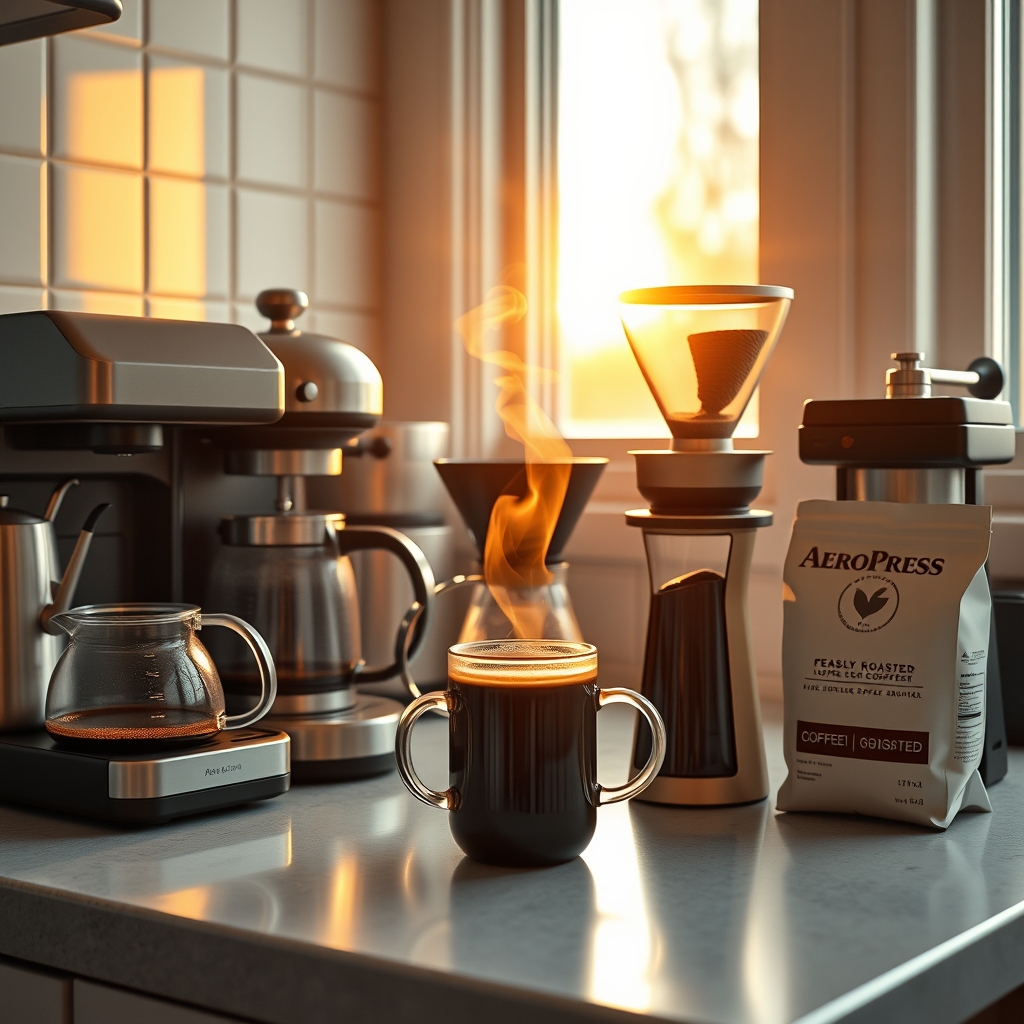
There are several popular brewing methods, each with its own unique characteristics and benefits. Some of the most common methods include:
Drip Coffee Makers
Drip coffee makers are the most common and convenient way to brew coffee at home. They work by heating water and dripping it over a bed of coffee grounds, which then filters into a carafe. Drip coffee makers are easy to use and can produce a consistently good cup of coffee. However, they may not offer the same level of control and customization as other brewing methods.
French Press
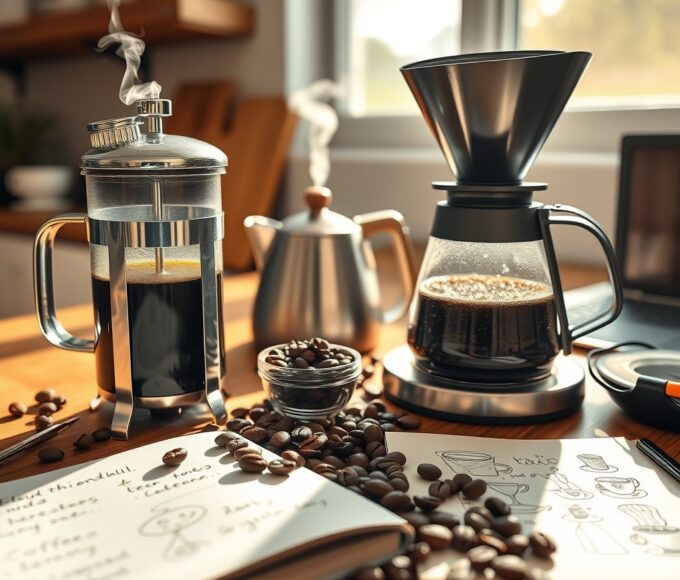
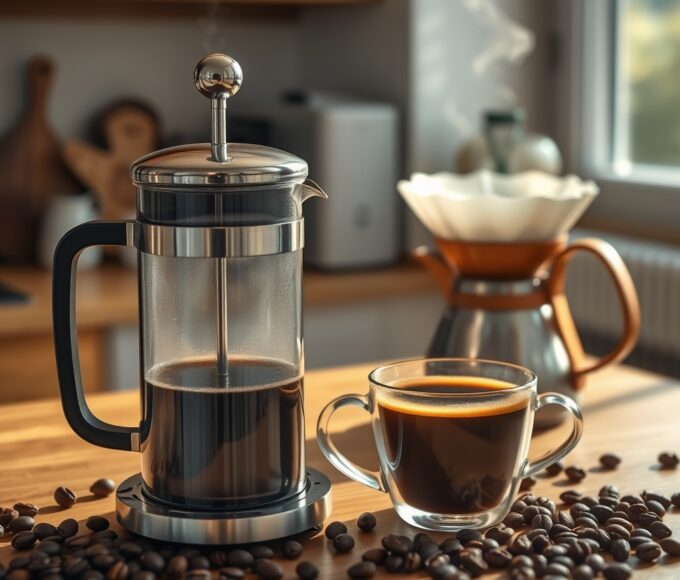
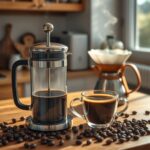
The French press, also known as a press pot or plunger pot, is a classic brewing method that produces a rich, full-bodied cup of coffee. It works by steeping coarse coffee grounds in hot water and then pressing a metal filter through the grounds to separate them from the liquid. The French press is beloved for its simplicity and the control it offers over the brewing process.
Pour Over
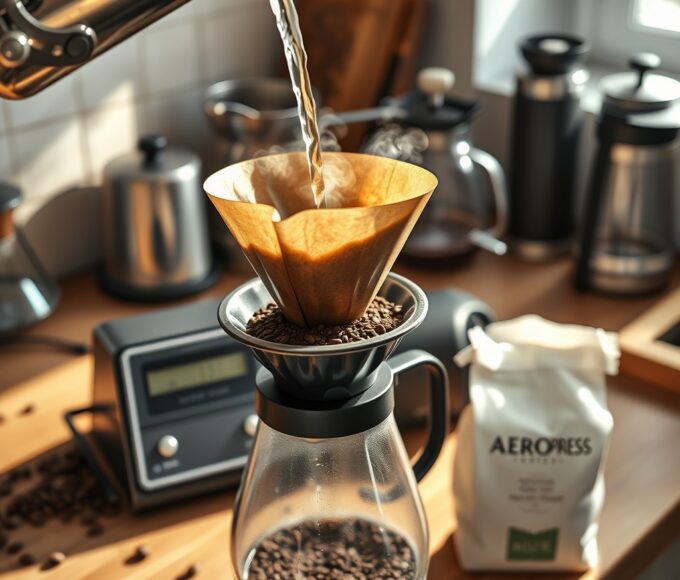
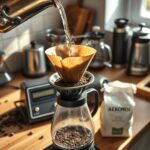
Pour over coffee makers, such as the Hario V60 or Chemex, offer a more hands-on approach to brewing. They involve pouring hot water over coffee grounds in a slow, controlled manner, allowing for precise extraction and a clean, nuanced flavor. Pour over brewing is often favored by coffee enthusiasts for its ability to highlight the unique characteristics of different coffee beans.
AeroPress
The AeroPress is a versatile and portable brewing device that combines elements of both immersion and pressure brewing. It works by steeping coffee grounds in hot water and then using air pressure to force the liquid through a filter. The AeroPress is known for its ability to produce a smooth, rich cup of coffee with minimal bitterness. It’s also incredibly durable and easy to clean, making it a popular choice for travelers and outdoor enthusiasts.
Mastering the Brewing Process
The Right Water Temperature
The temperature of the water used for brewing plays a significant role in the final taste of your coffee. The ideal water temperature for brewing is between 195°F and 205°F (90°C and 96°C). Water that is too hot can over-extract the coffee, leading to a bitter taste, while water that is too cold can under-extract, resulting in a weak, sour cup. Using a thermometer or an electric kettle with temperature control can help you achieve the perfect water temperature for brewing.
The Importance of Coffee-to-Water Ratio
The coffee-to-water ratio is another crucial factor in determining the strength and flavor of your coffee. A general guideline is to use one to two tablespoons of coffee grounds for every six ounces of water. However, this can be adjusted based on your personal taste preferences. Using a kitchen scale to measure your coffee and water can help ensure consistency and precision in your brewing.
Brew Time
The length of time that the coffee grounds are in contact with the water, known as the brew time, also significantly impacts the final taste. Different brewing methods require different brew times. For example, a French press typically requires a brew time of four to five minutes, while a pour over may only need two to three minutes. Experimenting with different brew times can help you find the perfect balance of flavors for your taste.
Experimenting with Flavors
Single-Origin vs. Blends
Single-origin coffees come from a specific region or even a single farm, offering unique and distinct flavor profiles that reflect their terroir. Blends, on the other hand, are created by combining beans from different regions to achieve a balanced and consistent flavor. Exploring both single-origin coffees and blends can open up a world of diverse and exciting taste experiences.
Adding Spices and Flavors
Adding spices and flavors to your coffee can be a fun and creative way to enhance your brewing experience. Common additions include cinnamon, nutmeg, cocoa powder, and vanilla extract. These can be added directly to the coffee grounds before brewing or mixed into the brewed coffee. Experimenting with different spices and flavors can help you create a truly personalized and unique cup of coffee.
As you embark on your journey to brewing the perfect cup of coffee at home, remember that the process is as much about exploration and enjoyment as it is about the final product. Each step, from selecting the beans to mastering the brew time, offers an opportunity to refine your skills and deepen your appreciation for the art and science of coffee brewing. With each cup, you’ll not only savor the rich flavors and aromas but also the satisfaction of having crafted something truly exceptional with your own hands.




Leave a comment