

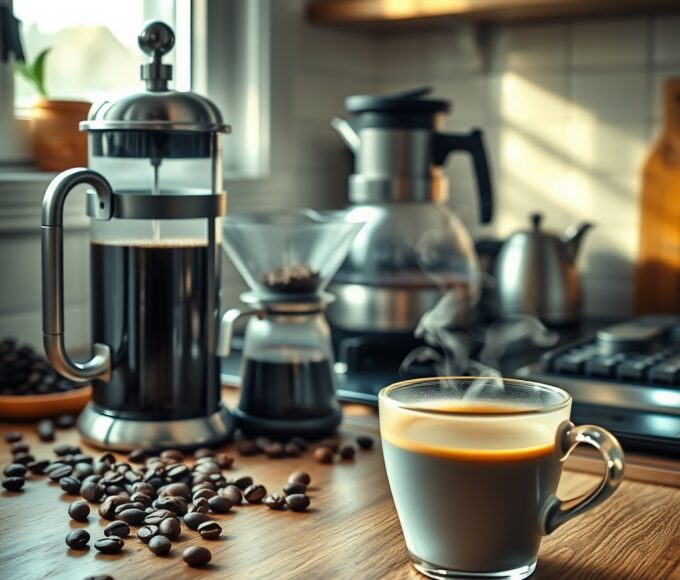



















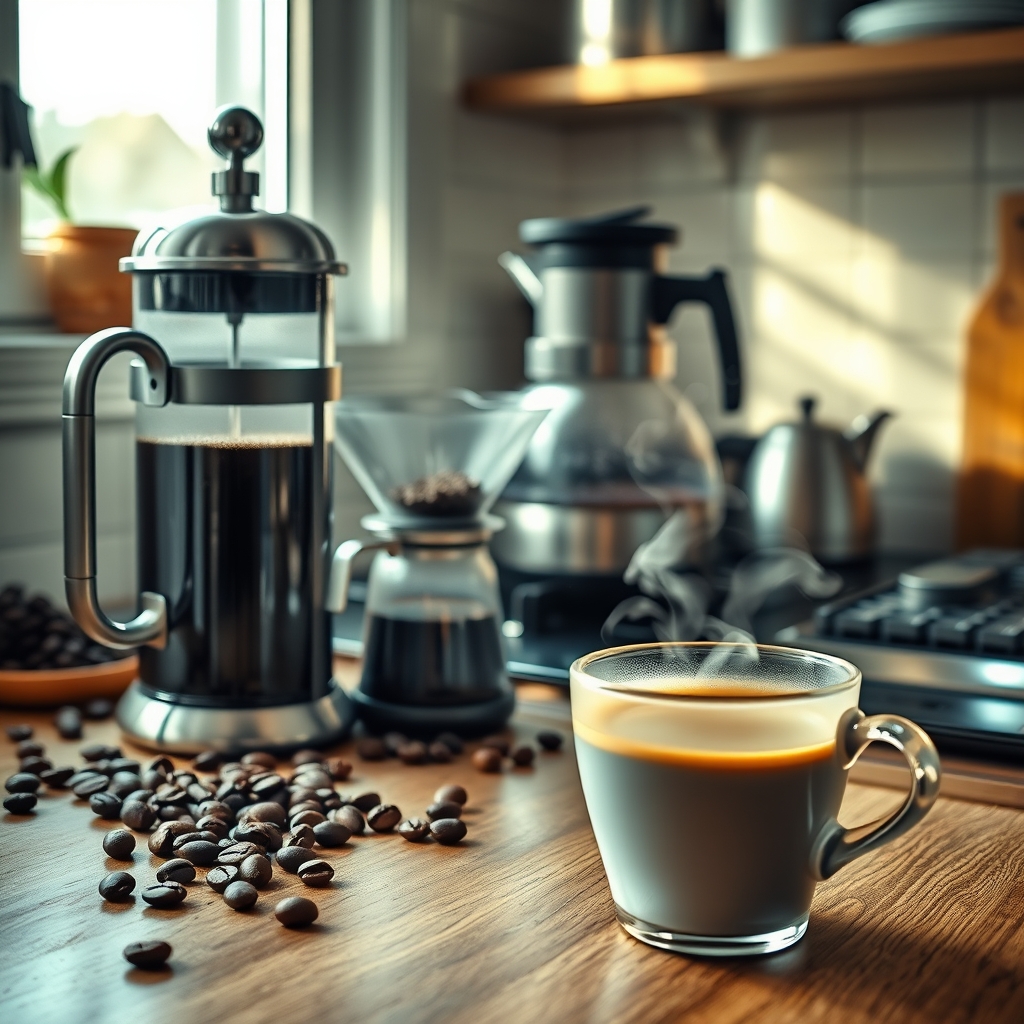
Imagine waking up to the rich, inviting aroma of freshly brewed coffee wafting through your home. For many, this is not just a morning ritual, but a moment of pure bliss that sets the tone for the day. Brewing the perfect cup of coffee at home is both an art and a science, a delicate balance of precision and passion that anyone can master with the right knowledge and tools.
The Journey of Coffee: From Bean to Cup
The journey of coffee from bean to cup is a fascinating process that involves several critical steps. Each step plays a vital role in determining the final flavor and quality of your brew. Understanding this journey can help you appreciate the nuances of coffee and make informed choices about the beans you buy and the methods you use to brew.
Choosing the Right Beans
The foundation of a great cup of coffee lies in the beans themselves. Coffee beans come in a variety of types, each with its unique flavor profile. The two most common types are Arabica and Robusta. Arabica beans are known for their sweet, delicate flavor and higher acidity, while Robusta beans are more robust, with a stronger, more bitter taste. When selecting beans, consider the roast level as well. Light roasts retain more of the bean’s original flavor, while dark roasts offer a richer, more caramelized taste.
The Importance of Freshness
Freshness is crucial when it comes to coffee. Beans start to lose their flavor and aroma shortly after being roasted. To ensure you’re getting the freshest coffee possible, look for beans that have been recently roasted. Many specialty coffee shops and roasters will provide the roast date on the packaging. As a general rule, try to use your beans within a month of the roast date for optimal freshness.
Grinding Your Beans
Grinding your beans just before brewing is one of the most significant steps you can take to improve the quality of your coffee. Pre-ground coffee loses its flavor and aroma much more quickly than whole beans. When you grind your beans at home, you have control over the grind size, which is essential for different brewing methods. A coarse grind is ideal for French press, while a fine grind works best for espresso. Investing in a good quality burr grinder can make a world of difference in the taste of your coffee.
The Science of Brewing
Brewing coffee is a scientific process that involves extracting the flavors and oils from the coffee grounds using hot water. The key to a perfect brew lies in finding the right balance between several variables, including water temperature, brew time, and coffee-to-water ratio.
Water Temperature
The ideal water temperature for brewing coffee is between 195°F and 205°F (90°C to 96°C). Water that is too hot can over-extract the coffee, leading to a bitter taste, while water that is too cool can result in under-extraction, producing a weak and sour brew. Using a thermometer or a kettle with temperature control can help you achieve the perfect water temperature for your coffee.
Brew Time
The brew time, or the length of time the water is in contact with the coffee grounds, is another critical factor in the brewing process. Different brewing methods require different brew times. For example, a French press typically requires a brew time of 4 to 5 minutes, while pour-over methods like the Hario V60 may only need 2 to 3 minutes. Experimenting with different brew times can help you find the sweet spot for your preferred brewing method.
Coffee-to-Water Ratio
The coffee-to-water ratio refers to the amount of coffee grounds used in relation to the amount of water. A common starting point is a ratio of 1:16, which means 1 gram of coffee for every 16 grams of water. However, this ratio can be adjusted to suit your personal taste preferences. Using a kitchen scale to measure your coffee and water can help ensure consistency and accuracy in your brewing.
Popular Brewing Methods
There are numerous brewing methods available, each with its unique characteristics and benefits. Exploring different brewing methods can be a fun and rewarding way to discover new flavors and techniques.
French Press
The French press, also known as a press pot or plunger pot, is a classic brewing method that produces a full-bodied, rich cup of coffee. To use a French press, coarsely ground coffee is steeped in hot water for several minutes, and then a metal filter is pressed down to separate the grounds from the liquid. The French press is beloved for its simplicity and the control it offers over the brewing process.
Pour-Over
Pour-over brewing methods, such as the Hario V60 and Chemex, involve pouring hot water over coffee grounds in a filter, allowing the brewed coffee to drip into a carafe or cup below. Pour-over methods are known for producing a clean, bright cup of coffee with a emphasis on the bean’s unique flavors. This method requires a bit more skill and attention to detail, but the results can be well worth the effort.
AeroPress
The AeroPress is a versatile and portable brewing device that uses air pressure to extract the flavors from coffee grounds. It consists of a cylindrical chamber and a plunger that forces the water through the coffee grounds and a filter. The AeroPress is praised for its ability to produce a smooth, rich cup of coffee with low acidity. It’s also incredibly durable and easy to clean, making it a favorite among coffee enthusiasts and travelers alike.
Mastering the art and science of brewing the perfect cup of coffee at home is a journey of discovery and experimentation. By understanding the journey of coffee from bean to cup, the science behind brewing, and the various brewing methods available, you can elevate your coffee experience to new heights. So, grab your favorite beans, fire up your kettle, and start exploring the wonderful world of coffee brewing. With each cup, you’ll not only savor the rich flavors and aromas but also the satisfaction of knowing you’ve crafted something truly special.






Leave a comment