

















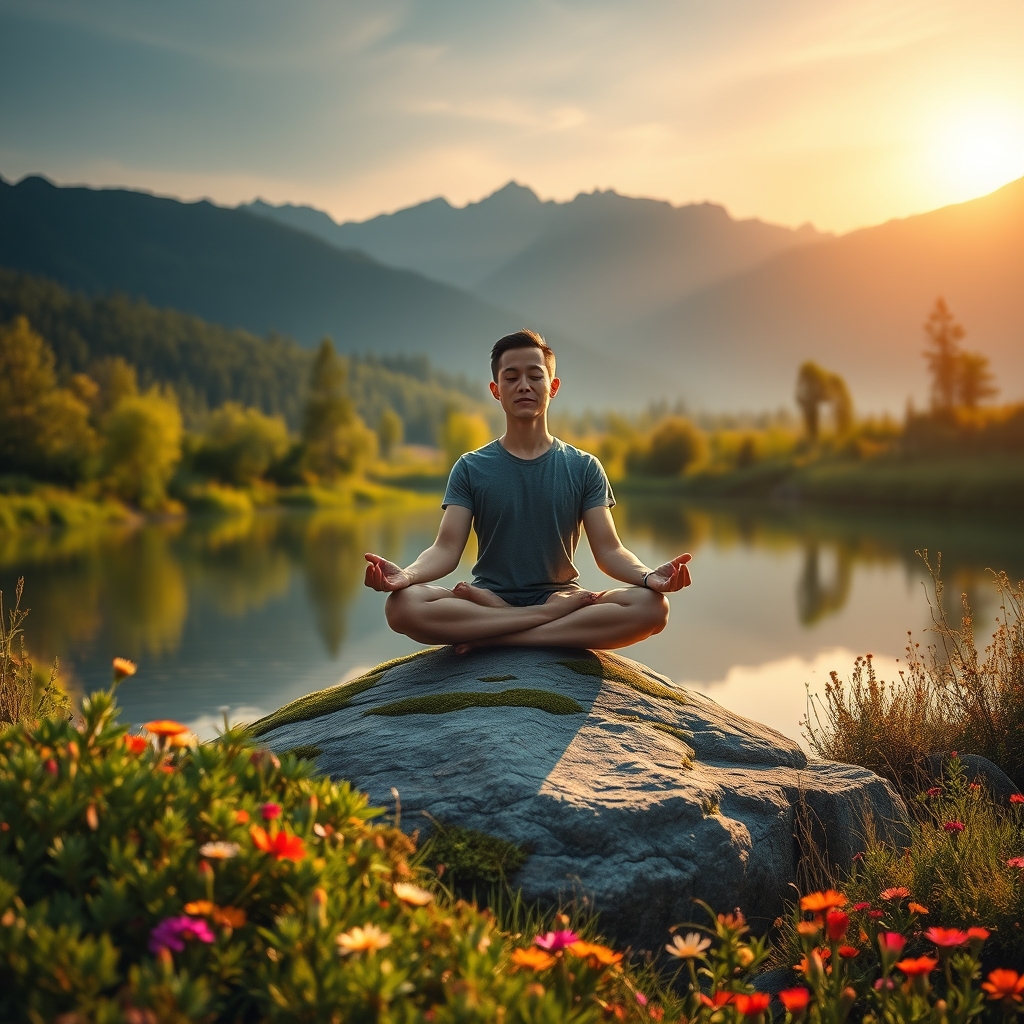
In the hustle and bustle of modern life, finding a moment of tranquility can seem like an impossible task. The constant barrage of notifications, the endless to-do lists, and the relentless pace of daily life can leave us feeling overwhelmed and disconnected. Yet, amidst this chaos, there lies a powerful tool that can help us reclaim our inner peace and restore balance to our lives: mindfulness.
Understanding Mindfulness
Mindfulness is the practice of being present in the moment, fully engaged with whatever we are doing, free from distraction or judgment, and aware of our thoughts and feelings without getting caught up in them. It is a state of active, open attention to the present. This practice has its roots in ancient Buddhist traditions but has been secularized and widely adopted in Western psychology and wellness practices.
The Science Behind Mindfulness
Numerous studies have shown that mindfulness can have a profound impact on our mental and physical well-being. Research has demonstrated that regular mindfulness practice can reduce stress, anxiety, and depression. It can also improve attention, memory, and cognitive flexibility. Moreover, mindfulness has been linked to physical health benefits, such as lower blood pressure, improved sleep, and enhanced immune function.
One of the key mechanisms through which mindfulness exerts its benefits is by reducing the activity of the amygdala, the part of the brain responsible for the fight-or-flight response. By calming the amygdala, mindfulness helps us respond to stressors with greater equanimity and clarity. Additionally, mindfulness has been shown to increase the thickness of the prefrontal cortex, the area of the brain associated with higher-order functions like decision-making, awareness, and emotional regulation.
The Art of Practicing Mindfulness
While the science of mindfulness is fascinating, the true power of mindfulness lies in its practice. Mindfulness is not just something we understand intellectually; it is something we experience and embody. Here are some practical ways to cultivate mindfulness in your daily life:
Meditation
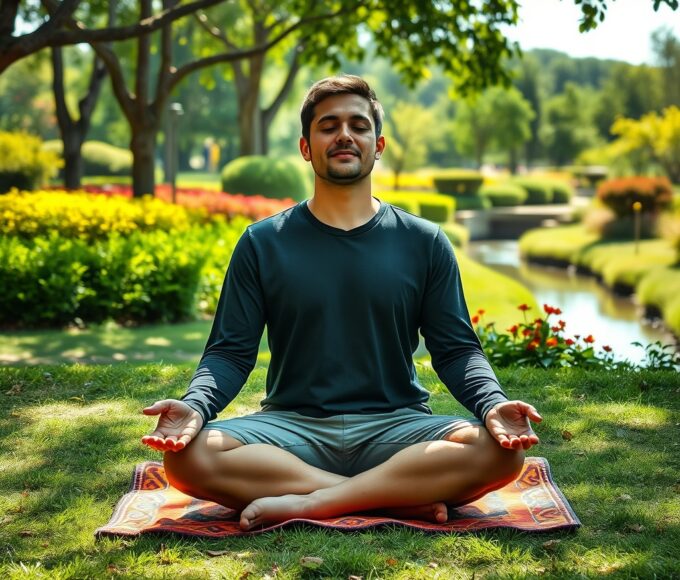
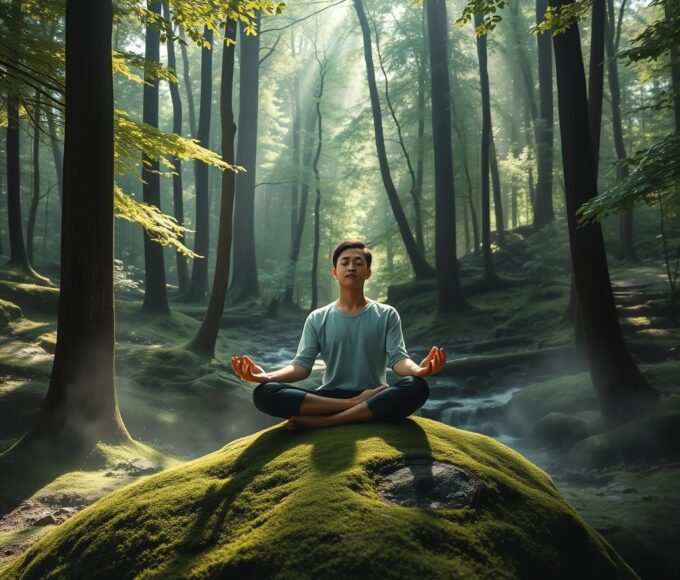
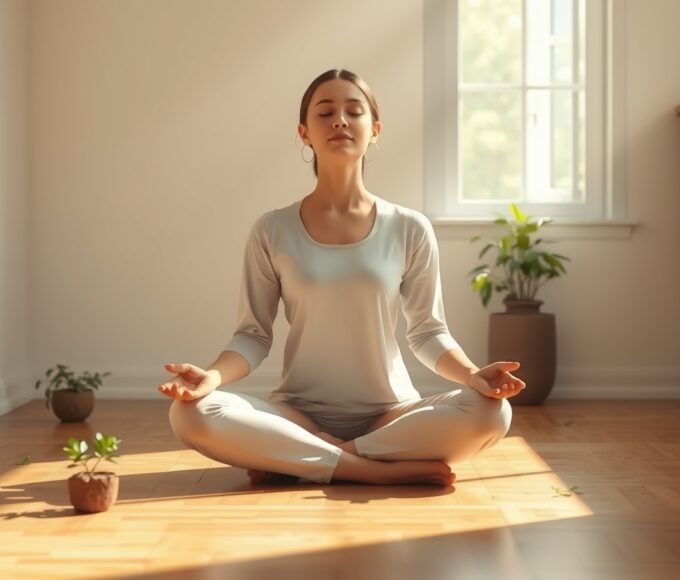
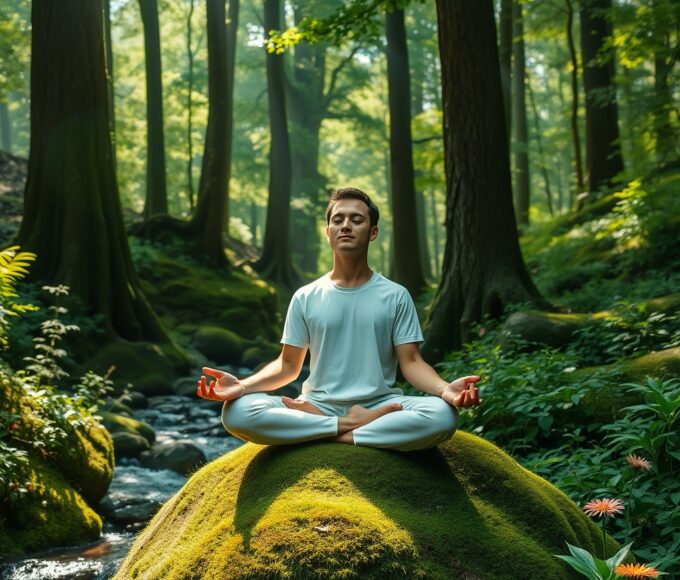
Meditation is one of the most well-known and effective ways to practice mindfulness. It involves sitting quietly and focusing your attention on a specific object, such as your breath, a mantra, or a visual image. The goal is not to empty your mind of thoughts but to observe them without judgment and gently return your focus to the chosen object. Even a few minutes of meditation each day can make a significant difference in your overall sense of well-being.
Mindful Breathing
Mindful breathing is a simple yet powerful practice that can be done anywhere, at any time. It involves paying attention to your breath as it flows in and out of your body. Notice the sensation of the air entering your nostrils, filling your lungs, and leaving your body. If your mind wanders, gently bring your focus back to your breath. This practice can help anchor you in the present moment and calm your nervous system.
Body Scan
A body scan is a practice that involves mentally scanning your body from head to toe, noticing any sensations, tensions, or areas of discomfort. The goal is not to change or judge these sensations but simply to observe them with curiosity and kindness. This practice can help you develop a greater awareness of your body and release physical tension.
Mindful Eating
Mindful eating involves paying full attention to the experience of eating and drinking, both inside and outside the body. Notice the colors, smells, textures, and flavors of your food. Chew slowly and savor each bite. Pay attention to the sensations of hunger and fullness. By eating mindfully, you can enhance your enjoyment of food, improve digestion, and develop a healthier relationship with eating.
Mindful Movement
Mindful movement practices, such as yoga, tai chi, and qigong, combine physical movement with mindfulness. These practices involve paying attention to the sensations of your body as it moves, the rhythm of your breath, and the quality of your mind. They can help you develop greater flexibility, strength, and balance, both physically and mentally.
Integrating Mindfulness into Daily Life
While formal mindfulness practices like meditation and body scans are valuable, the true essence of mindfulness lies in its integration into daily life. Mindfulness is not just something we do; it is a way of being. Here are some ways to bring mindfulness into your everyday activities:
Start your day with a few moments of mindfulness. Before you get out of bed, take a few deep breaths and set an intention for the day. Notice the sensations of your body waking up and the thoughts and feelings that arise.
As you go about your day, bring mindfulness to routine activities like brushing your teeth, taking a shower, or washing the dishes. Notice the sensations, sounds, and smells associated with these activities. Approach them with curiosity and openness, as if you were experiencing them for the first time.
When you are walking, pay attention to the sensations of your feet touching the ground, the movement of your body, and the sights and sounds around you. Walking can be a powerful form of meditation in motion.
In your interactions with others, practice mindful listening. Give the person your full attention, without interrupting or judging. Notice the tone of their voice, their body language, and the emotions behind their words. Respond with kindness and compassion.
Before you go to bed, take a few moments to reflect on your day. Notice any thoughts, emotions, or physical sensations that arise. Acknowledge them without judgment and let them go. Set an intention to sleep peacefully and wake up refreshed.
Mindfulness is a journey, not a destination. It is a lifelong practice of waking up to the present moment, again and again. It is about cultivating a sense of curiosity, openness, and acceptance towards our experiences, whatever they may be. As we deepen our mindfulness practice, we begin to see the world with fresh eyes, to appreciate the beauty and wonder of the present moment, and to respond to life’s challenges with greater wisdom and compassion.
In the words of the renowned mindfulness teacher Jon Kabat-Zinn, “Mindfulness is about being fully awake in our lives. It is about perceiving the exquisite vividness of each moment. It is about living in harmony with oneself and with the world.” May we all find our path to mindfulness and discover the profound peace and joy that lie within each moment.








Leave a comment