

















Embarking on a fitness journey can be both exhilarating and daunting. With a plethora of workout routines and training methods available, it’s easy to feel overwhelmed. However, understanding the fundamentals and tailoring a plan to your unique needs can set you on the path to success. This guide aims to demystify the world of workouts and training, providing you with the tools to revolutionize your fitness regimen.
The Importance of Setting Clear Goals
Before diving into any workout routine, it’s crucial to establish clear, achievable goals. Whether you aim to lose weight, build muscle, or improve overall health, having specific objectives will help you stay motivated and focused. Goals should be SMART: Specific, Measurable, Achievable, Relevant, and Time-bound. For instance, instead of saying “I want to lose weight,” a SMART goal would be “I want to lose 10 pounds in the next three months by exercising five times a week and following a balanced diet.”
Understanding Different Types of Workouts
Workouts can be broadly categorized into several types, each with its unique benefits. Cardio exercises, such as running, cycling, and swimming, are excellent for improving cardiovascular health and burning calories. Strength training, which includes weightlifting and resistance exercises, helps build muscle mass and increase metabolism. Flexibility workouts, like yoga and stretching routines, enhance mobility and reduce the risk of injury. Incorporating a mix of these workouts into your routine ensures a well-rounded fitness regimen.
Cardio Workouts
Cardio workouts are the cornerstone of any fitness program. They elevate your heart rate, improving circulation and lung capacity. Activities like jogging, dancing, and aerobics classes are not only effective but also enjoyable. High-Intensity Interval Training (HIIT) has gained popularity for its efficiency in burning calories and boosting metabolism in a short amount of time. A typical HIIT session involves alternating between high-intensity exercises and low-intensity recovery periods.
Strength Training
Strength training is essential for building and maintaining muscle mass, which is crucial for overall health and metabolism. It can be done using free weights, resistance bands, or bodyweight exercises like push-ups and squats. Beginners should start with lighter weights and gradually increase the resistance as they build strength. It’s important to focus on proper form to prevent injuries and maximize the effectiveness of each exercise.
Flexibility and Mobility
Flexibility and mobility are often overlooked but are vital components of a balanced fitness routine. Stretching exercises improve the range of motion in your joints, reducing the risk of injuries and enhancing overall performance. Yoga and Pilates are excellent for improving flexibility, balance, and core strength. Incorporating these practices into your routine can also help with stress relief and mental well-being.
Creating a Balanced Workout Plan
A balanced workout plan should include a combination of cardio, strength training, and flexibility exercises. The American Heart Association recommends at least 150 minutes of moderate-intensity or 75 minutes of vigorous-intensity aerobic activity per week, along with muscle-strengthening activities on two or more days a week. It’s also important to include rest days to allow your body to recover and prevent overtraining.
Sample Weekly Workout Plan
Here’s a sample weekly workout plan that balances different types of exercises:
- Monday: 30 minutes of HIIT
- Tuesday: Strength training (upper body)
- Wednesday: 30 minutes of steady-state cardio (e.g., jogging or cycling)
- Thursday: Strength training (lower body)
- Friday: Yoga or Pilates for flexibility and mobility
- Saturday: Active rest day (e.g., light walking or stretching)
- Sunday: Rest day
The Role of Nutrition in Fitness
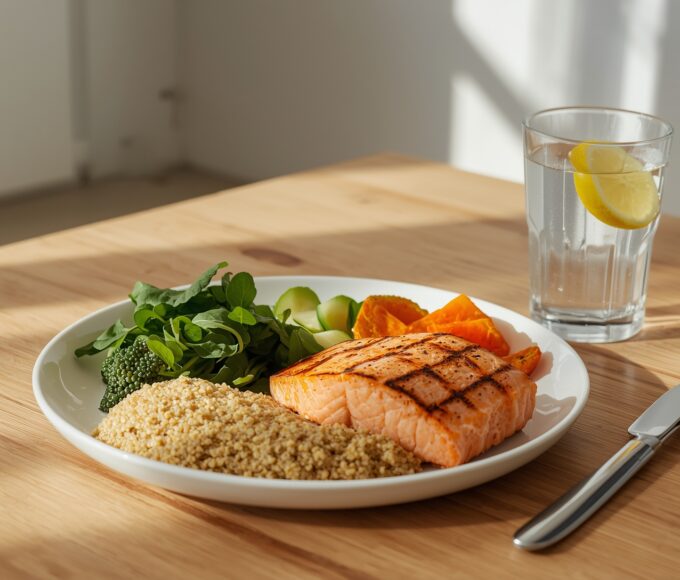
Nutrition plays a pivotal role in any fitness journey. A balanced diet provides the fuel your body needs to perform at its best and recover effectively. Focus on consuming a variety of nutrient-dense foods, including lean proteins, whole grains, healthy fats, and plenty of fruits and vegetables. Staying hydrated is also crucial, as water is essential for various bodily functions, including regulating body temperature and transporting nutrients.
Pre- and Post-Workout Nutrition
Pre-workout nutrition should provide energy and enhance performance. A combination of carbohydrates and protein is ideal, such as a banana with a scoop of peanut butter or a small bowl of oatmeal with berries. Post-workout nutrition is crucial for recovery and muscle repair. Aim to consume a meal or snack rich in protein and carbohydrates within 30 minutes to an hour after your workout. Examples include a protein shake with a banana or grilled chicken with sweet potatoes.
Staying Motivated and Overcoming Plateaus
Staying motivated is one of the biggest challenges in any fitness journey. Setting small, achievable goals and celebrating your progress can help keep you on track. It’s also important to mix up your routine to prevent boredom and plateaus. Trying new activities, joining fitness classes, or working out with a friend can add variety and make your workouts more enjoyable. Remember, progress is not always linear, and it’s normal to experience setbacks. The key is to stay consistent and keep pushing forward.
Tracking your progress can also be incredibly motivating. Keep a workout journal or use fitness apps to log your exercises, track your improvements, and set new goals. Seeing how far you’ve come can be a powerful motivator to keep going. Additionally, don’t be afraid to seek support from friends, family, or a personal trainer. Having a support system can make a significant difference in staying accountable and motivated.
As you continue on your fitness journey, remember that it’s a marathon, not a sprint. The changes you make today will have a profound impact on your health and well-being in the long run. Embrace the process, celebrate your victories, and learn from your setbacks. With dedication, consistency, and a positive mindset, you’ll be well on your way to achieving your fitness goals and revolutionizing your health.








Leave a comment