




















Flexibility is often overlooked in fitness, yet it plays a key role in movement quality, injury prevention, and overall comfort. Beginners sometimes rush stretching or push too hard, which can lead to pain. Improving flexibility safely is about patience, consistency, and proper technique.
This guide shows beginners how to increase flexibility the right way.
1. What Flexibility Really Means
Flexibility is the ability of muscles and joints to move through a full range of motion.
Why it matters:
- Improves posture
- Reduces stiffness
- Enhances workout performance
- Supports daily movement
Flexibility is not about forcing positions.
2. Start With a Gentle Warm-Up
Stretching cold muscles increases injury risk.
Simple warm-up ideas:
- Light walking
- Marching in place
- Arm swings
Warm muscles respond better to stretching.
3. Use Dynamic Stretching Before Workouts
Dynamic stretches involve movement.
Examples:
- Leg swings
- Arm circles
- Hip rotations
These prepare the body for exercise.
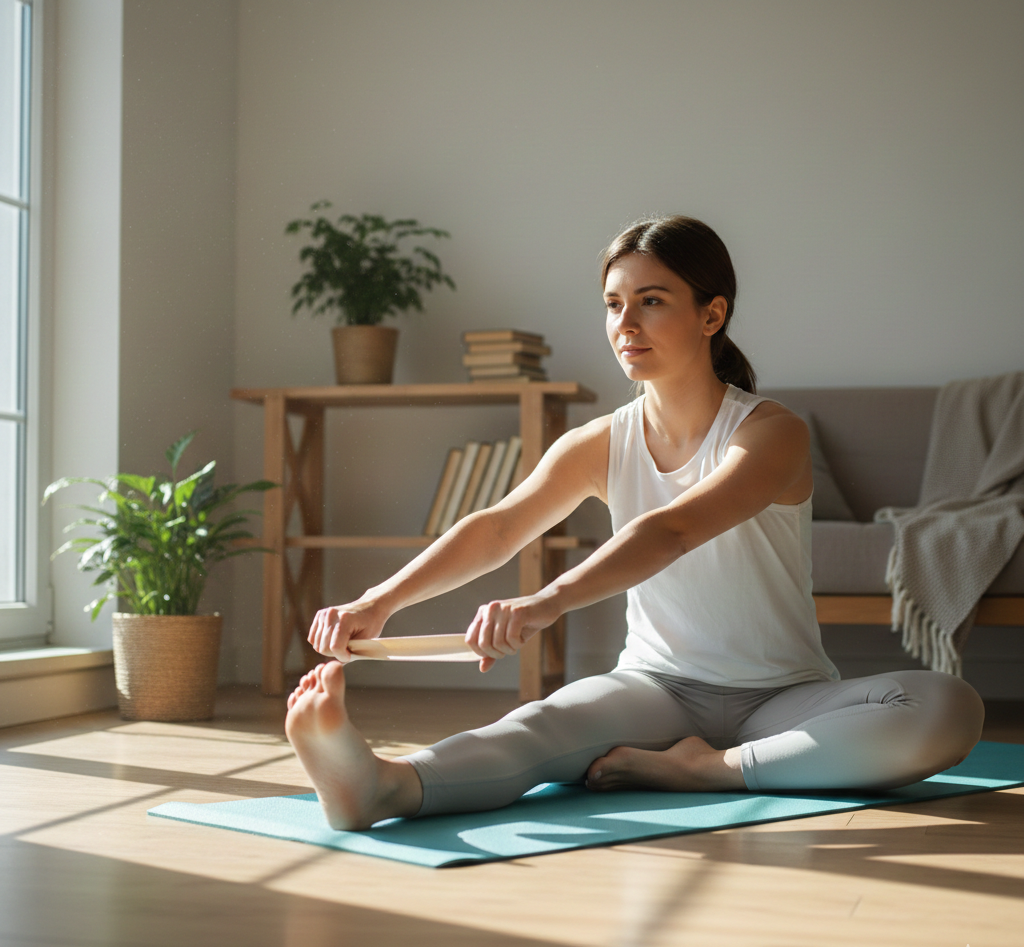
4. Save Static Stretching for After Workouts
Static stretches are held positions.
Best practices:
- Stretch after workouts
- Hold for 20 to 30 seconds
- Breathe calmly
Post workout stretching improves recovery.
5. Focus on Major Muscle Groups
Begin with common tight areas:
- Hamstrings
- Hip flexors
- Calves
- Shoulders
- Lower back
Balanced flexibility supports full body movement.
6. Stretch to Mild Tension, Not Pain
Pain is not progress.
Good stretch sensation:
- Mild pulling
- Comfortable tension
- No sharp pain
If it hurts, ease off.
7. Be Consistent With Stretching
Consistency beats intensity.
Recommended:
- 5 to 10 minutes daily
- Or after each workout
Small daily sessions work best.
8. Use Breathing to Improve Flexibility
Breathing relaxes muscles.
Tips:
- Inhale through the nose
- Exhale slowly during stretches
Relaxed breathing increases stretch effectiveness.
9. Avoid Common Flexibility Mistakes
Common errors include:
- Bouncing during stretches
- Holding breath
- Forcing deep positions
Safe stretching protects joints and muscles.
10. Track Progress Patiently
Flexibility improves gradually.
Signs of progress:
- Less stiffness
- Easier movement
- Better posture
Celebrate small improvements.
Conclusion
Improving flexibility safely as a beginner requires patience, gentle movement, and consistency. By warming up properly, stretching correctly, and listening to your body, you can build flexibility without injury. Flexible muscles support stronger workouts and better daily movement.








Leave a comment