



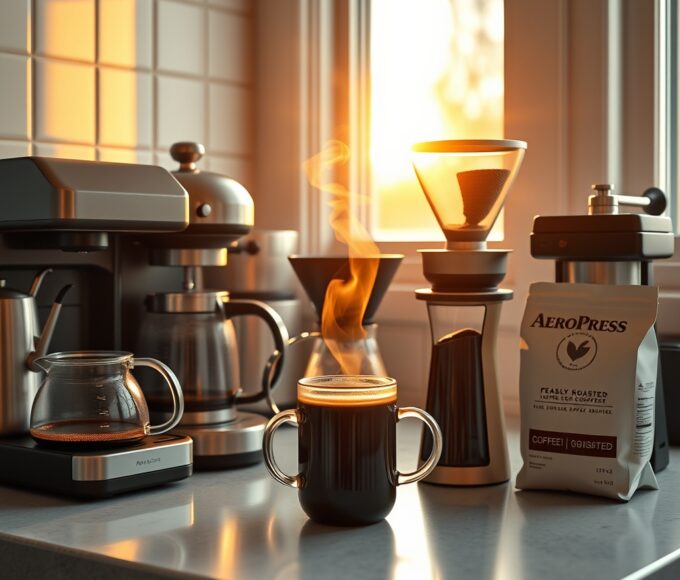








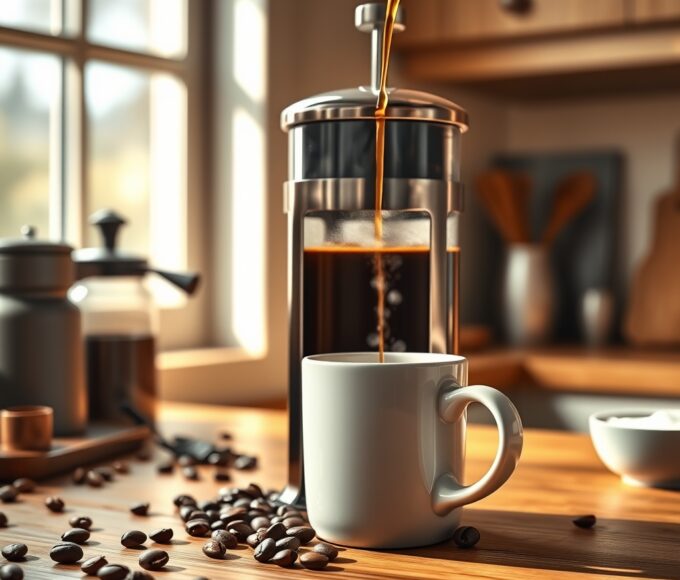








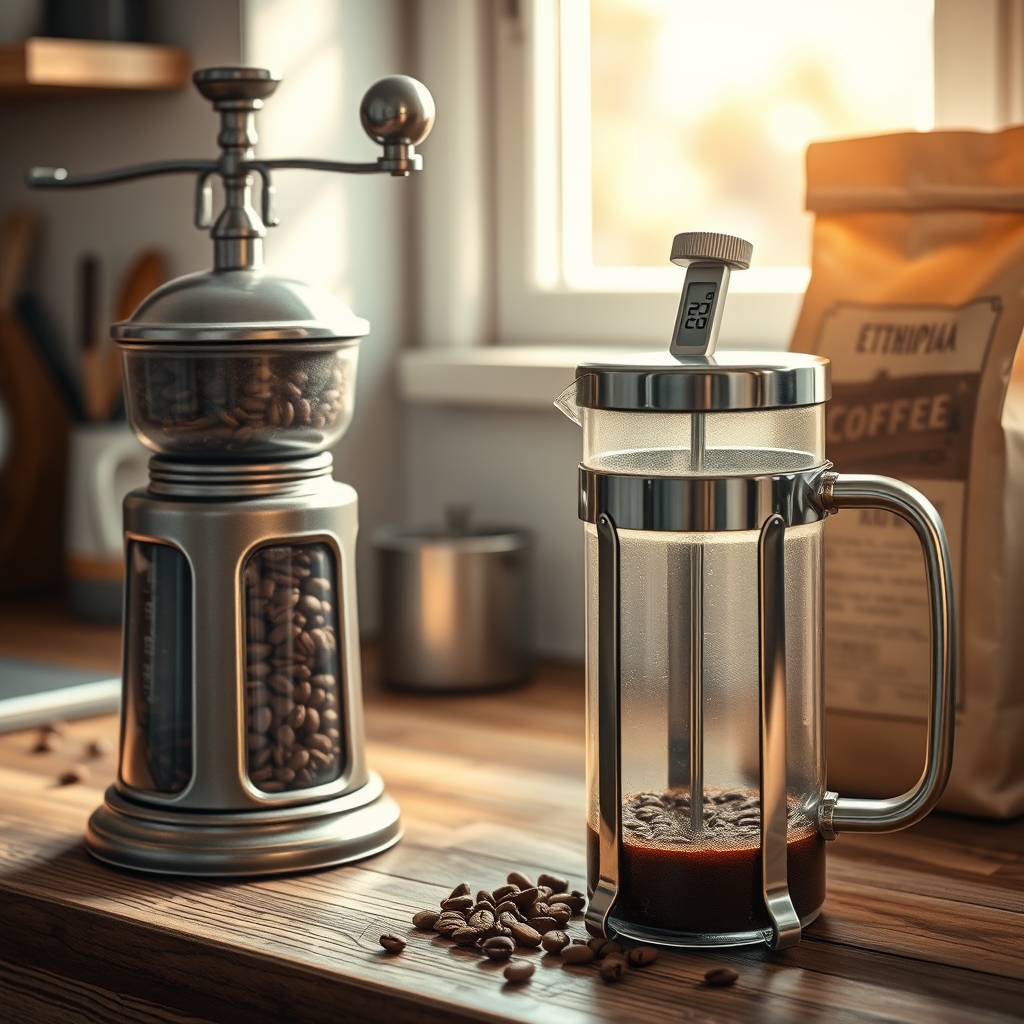
Imagine waking up to the rich, inviting aroma of freshly brewed coffee. For many, this is the perfect start to the day. But what goes into making that ideal cup of coffee? Is it the beans, the brewing method, or perhaps the water? The truth is, it’s a combination of all these factors and more. Brewing the perfect cup of coffee is both an art and a science, requiring precision, knowledge, and a touch of creativity.
The Importance of Coffee Beans
The journey to the perfect cup begins with the coffee beans. Not all beans are created equal, and the type you choose can significantly impact the flavor of your coffee. There are two primary types of coffee beans: Arabica and Robusta. Arabica beans are known for their sweet, delicate flavor and higher acidity, while Robusta beans are stronger, harsher, and have a higher caffeine content.
When selecting beans, consider the roast date. Coffee beans are at their peak flavor within a few weeks of being roasted. Therefore, always opt for freshly roasted beans. Additionally, consider the origin of the beans. Different regions produce beans with unique flavor profiles. For instance, beans from Ethiopia are often fruity and wine-like, while those from Brazil are known for their chocolatey, nutty flavors.
Grinding Your Beans
Once you’ve selected your beans, the next step is grinding. The grind size plays a crucial role in the extraction process. If the grind is too fine, you risk over-extraction, which can result in a bitter taste. Conversely, if the grind is too coarse, under-extraction can occur, leading to a weak, underwhelming cup of coffee.
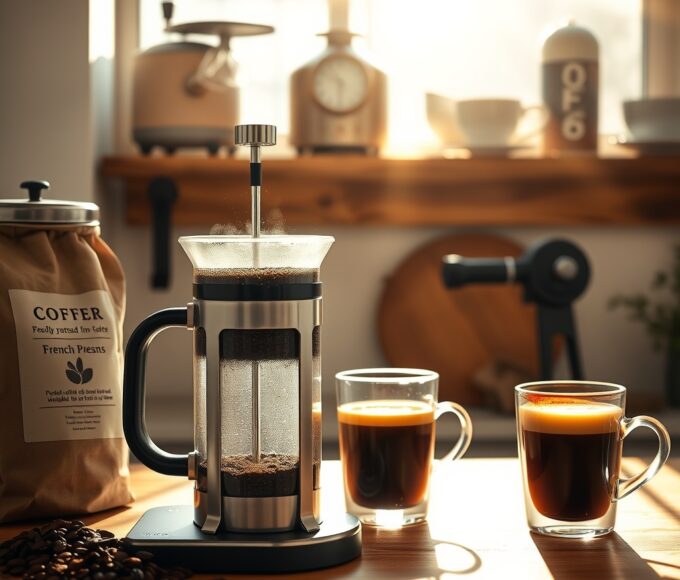
The ideal grind size depends on your brewing method. For example, a fine grind is suitable for espresso machines, while a medium grind works well for drip coffee makers. A coarse grind is typically used for French press coffee. Investing in a good quality burr grinder can help you achieve a consistent grind size, which is key to a balanced extraction.
The Role of Water
Water is often overlooked in the coffee brewing process, but it’s just as important as the beans. After all, coffee is essentially flavored water. The quality, temperature, and mineral content of the water can all affect the taste of your coffee.
Use fresh, cold water that’s free from impurities. If your tap water has a strong odor or taste, consider using filtered or bottled water. The ideal water temperature for brewing coffee is between 195°F and 205°F (90°C to 96°C). Water that’s too hot can over-extract the coffee, leading to bitterness, while water that’s not hot enough can result in under-extraction.
The Brewing Process
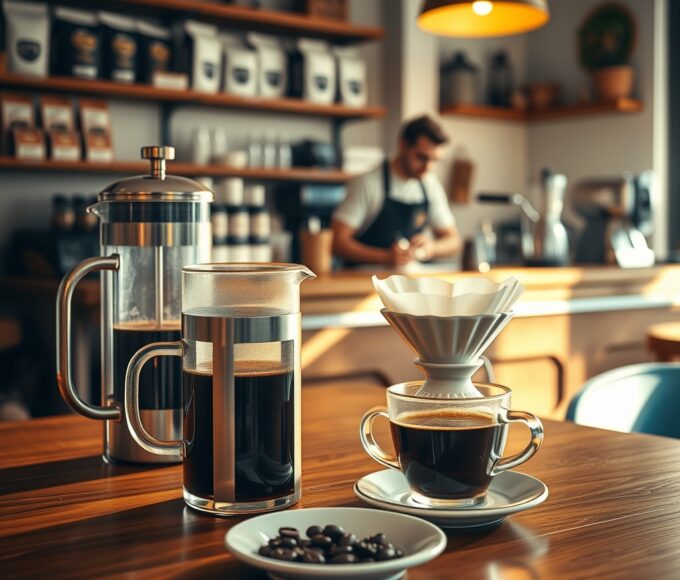
There are numerous methods for brewing coffee, each with its own set of variables and techniques. Some popular methods include drip brewing, French press, pour-over, and espresso. Regardless of the method you choose, the key is to maintain consistency and control over the brewing variables.
One often overlooked aspect of brewing is the coffee-to-water ratio. A general guideline is to use one to two tablespoons of coffee per six ounces of water. However, this can be adjusted to suit your taste preferences. Using a kitchen scale to measure your coffee and water can help ensure consistency.
Brew time is another critical factor. Different brewing methods require different brew times. For instance, espresso typically takes around 25 to 30 seconds, while a French press can take up to four minutes. Experimenting with different brew times can help you find the sweet spot for your preferred method.
Experimenting and Refining
Brewing the perfect cup of coffee is a journey of experimentation and refinement. Don’t be afraid to try different beans, grind sizes, water temperatures, and brewing methods. Keep a record of what works and what doesn’t. Over time, you’ll develop a deeper understanding of the brewing process and what suits your taste preferences.
Remember, the perfect cup of coffee is subjective. It’s about what tastes best to you. So, trust your palate and enjoy the process of discovery. After all, the art of coffee brewing is as much about the journey as it is about the destination.
As you continue to explore and refine your brewing techniques, you’ll not only improve your coffee but also gain a greater appreciation for the craft. So, take a sip, savor the flavors, and celebrate the simple pleasure of a well-brewed cup of coffee. It’s a ritual that connects us to cultures around the world and brings a moment of comfort and joy to our daily lives.








Leave a comment