




















Imagine waking up to the rich, inviting aroma of freshly brewed coffee. For many, this is not just a morning ritual, but a moment of pure bliss that sets the tone for the day. Coffee, in its various forms and flavors, has become an integral part of our daily lives. But have you ever wondered what goes into making that perfect cup of coffee? It’s not just about the beans; it’s an art and a science that involves understanding the origins, the brewing methods, and the subtle nuances that can elevate your coffee experience.
The Journey of Coffee: From Bean to Cup
The story of coffee begins in the high-altitude regions of the world, where coffee plants thrive in the tropical climates. The two most popular types of coffee beans are Arabica and Robusta. Arabica beans, known for their sweet, delicate flavor, are grown at higher altitudes and are more susceptible to pests and diseases. Robusta beans, on the other hand, have a stronger, more bitter taste and contain almost double the amount of caffeine. They are easier to grow and have a higher yield, making them a popular choice for many coffee producers.
The journey from bean to cup involves several steps: planting, harvesting, processing, drying, milling, exporting, roasting, and finally, brewing. Each step plays a crucial role in determining the final flavor and quality of the coffee. For instance, the processing method—whether it’s washed, natural, or honey processed—can significantly impact the taste profile of the coffee.
The Art of Roasting
Roasting is where the magic happens. It’s the process that transforms green coffee beans into the aromatic, flavorful beans we know and love. The roasting process involves heating the beans to a specific temperature, which causes them to undergo a series of chemical reactions. These reactions develop the flavors, aromas, and colors that we associate with coffee.
There are different levels of roasting, ranging from light to dark. Light roasts retain more of the original flavors of the coffee bean and have a higher acidity. Medium roasts balance the flavors, acidity, and aroma, making them a popular choice for many coffee drinkers. Dark roasts have a stronger, more pronounced flavor with lower acidity. The roasting process is both an art and a science, requiring precision, experience, and a deep understanding of the beans.
Brewing Methods: Exploring the Possibilities
Once the beans are roasted, it’s time to brew. There are numerous brewing methods, each with its unique characteristics and flavor profiles. Some of the most popular methods include:
Drip Brewing
Drip brewing is one of the most common methods, especially in households. It involves pouring hot water over ground coffee contained in a filter. The water drips through the coffee, extracting the flavors and oils, and collects in a carafe or pot. Drip brewing is convenient and can produce a clean, flavorful cup of coffee.
French Press
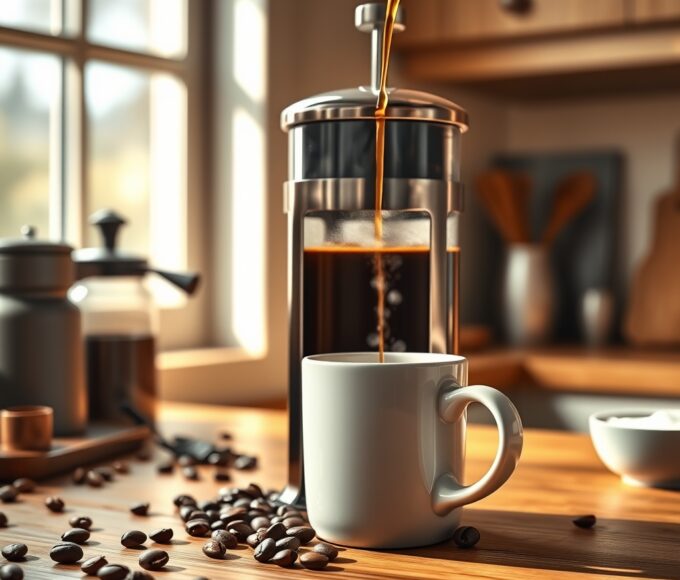
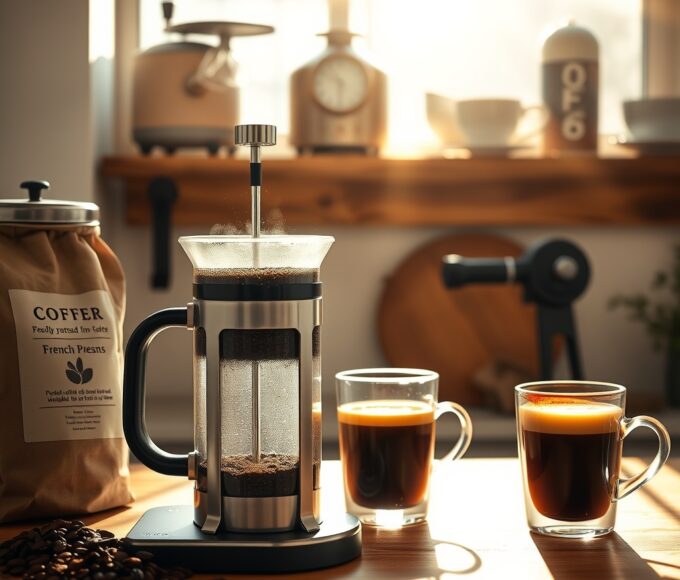
The French press, also known as a press pot or plunger pot, is a classic brewing method that produces a rich, full-bodied cup of coffee. It involves steeping coarsely ground coffee in hot water and then pressing a metal or plastic mesh filter through the coffee grounds to separate them from the liquid. The French press allows for more oils and fine particles to remain in the coffee, resulting in a more robust flavor.
Espresso
Espresso is a concentrated form of coffee that is brewed by forcing hot water under high pressure through finely ground coffee. It’s the base for many popular coffee drinks, such as lattes, cappuccinos, and Americanos. Espresso has a strong, intense flavor and a rich, creamy texture. Making a perfect espresso requires skill, precision, and high-quality equipment.
Pour Over
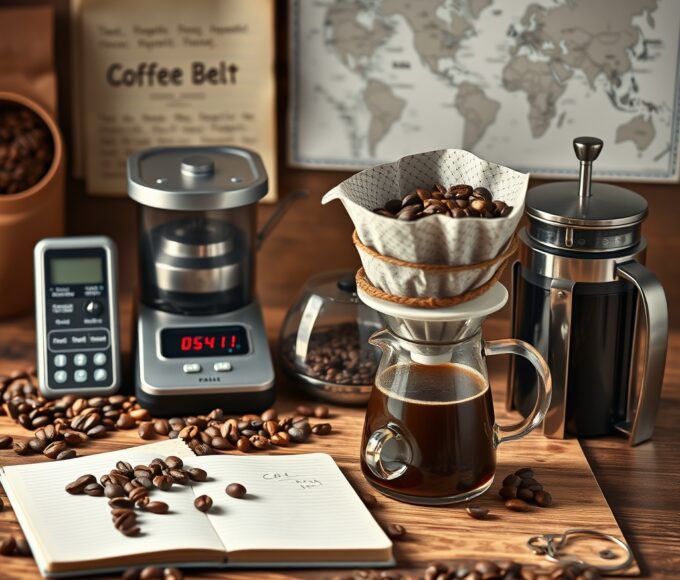
Pour over is a manual brewing method that involves pouring hot water over coffee grounds in a filter. The water drips through the coffee and filter into a carafe or cup. Pour over brewing allows for more control over the brewing process, resulting in a clean, flavorful cup of coffee. It’s a popular method among coffee enthusiasts and professionals.
The Science Behind the Perfect Cup
Brewing the perfect cup of coffee involves understanding the science behind it. Several factors can affect the final taste and quality of the coffee, including:
- Water Quality: The quality of the water used can significantly impact the taste of the coffee. Ideally, the water should be clean, fresh, and free of impurities. The mineral content of the water can also affect the extraction process and the final flavor.
- Grind Size: The size of the coffee grounds plays a crucial role in the extraction process. Different brewing methods require different grind sizes. For instance, espresso requires a fine grind, while a French press requires a coarse grind. Using the wrong grind size can result in over-extraction or under-extraction, leading to a bitter or weak cup of coffee.
- Brewing Time: The brewing time refers to the amount of time the water is in contact with the coffee grounds. Different brewing methods require different brewing times. For example, espresso has a short brewing time of around 25-30 seconds, while a French press has a longer brewing time of around 4-5 minutes.
- Water Temperature: The temperature of the water can affect the extraction process and the final flavor of the coffee. Ideally, the water temperature should be between 195°F and 205°F (90°C and 96°C). Water that is too hot can result in over-extraction and a bitter taste, while water that is too cold can result in under-extraction and a weak taste.
- Coffee-to-Water Ratio: The ratio of coffee to water can affect the strength and flavor of the coffee. A general guideline is to use 1 to 2 tablespoons of coffee per 6 ounces of water. However, this can vary depending on personal preference and the brewing method.
Understanding and controlling these factors can help you brew a perfect cup of coffee tailored to your taste preferences. Experimenting with different variables can also be a fun and educational way to explore the world of coffee and develop your brewing skills.
As you embark on your coffee journey, remember that the perfect cup of coffee is subjective and personal. It’s about exploring, experimenting, and finding what you enjoy the most. Whether you prefer a strong, bold espresso or a light, delicate pour over, the art and science of brewing the perfect cup of coffee is a journey worth taking. So, grab your favorite mug, and let the adventure begin.









Leave a comment