





















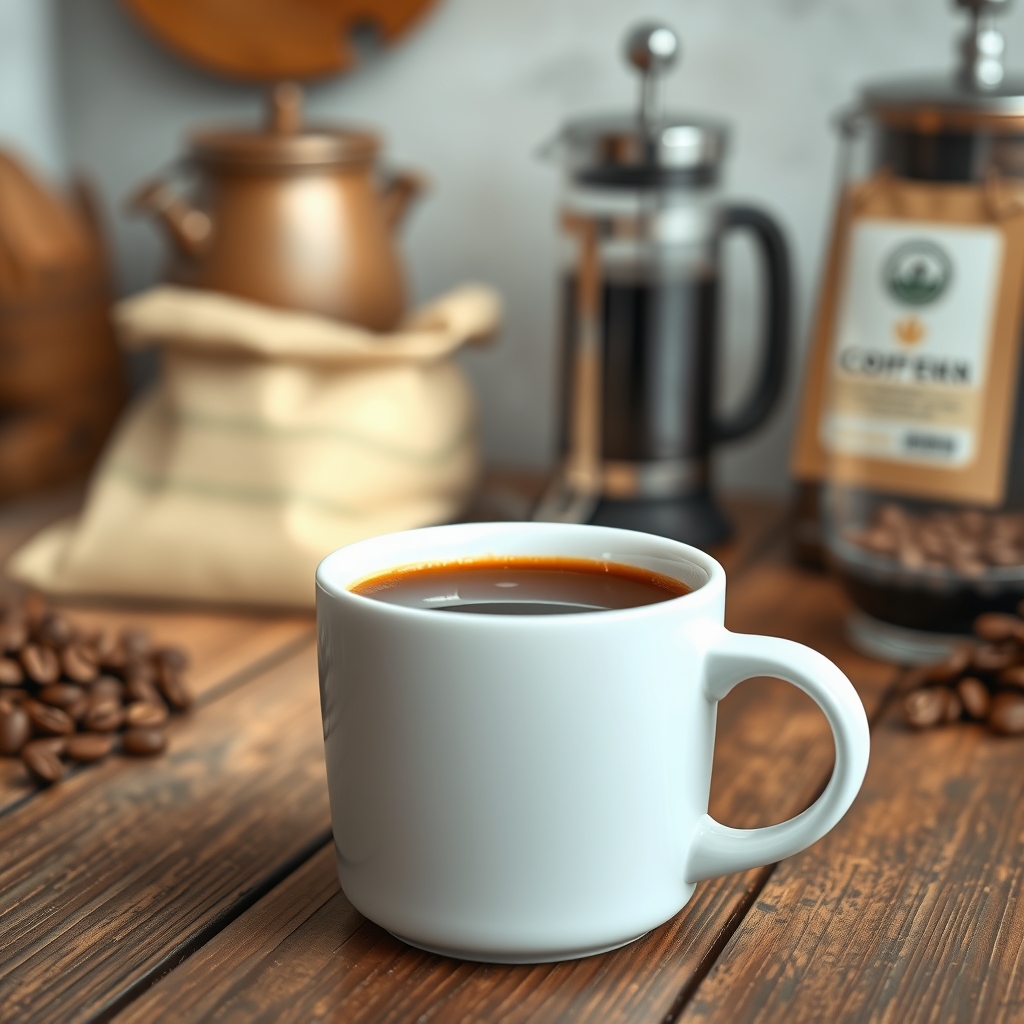
Imagine waking up to the rich, inviting aroma of freshly brewed coffee. For many, this is not just a morning ritual, but a moment of pure bliss that sets the tone for the day. Coffee is more than just a beverage; it’s an experience that engages all the senses. But what goes into making that perfect cup of coffee? Let’s dive into the art and science behind it.
The Journey of Coffee Beans
The journey of coffee beans is a fascinating tale that begins in the lush, tropical regions where coffee plants thrive. These plants produce cherries that contain the seeds we know as coffee beans. The beans are harvested, processed, and then shipped to various parts of the world. The two most common types of coffee beans are Arabica and Robusta, each offering unique flavors and characteristics.
Arabica beans are known for their sweet, delicate flavor and higher acidity, while Robusta beans have a stronger, more bitter taste and contain more caffeine. The region where the beans are grown also plays a significant role in their flavor profile. For instance, beans from Ethiopia might have floral notes, while those from Brazil could offer a nutty, chocolatey flavor.
The Roasting Process
Roasting is where the magic happens. It transforms the green coffee beans into the aromatic, flavorful beans we recognize. The roasting process involves heating the beans to high temperatures, which causes them to undergo chemical changes. These changes develop the flavors and aromas that make coffee so enticing.
There are different levels of roasting, ranging from light to dark. Light roasts retain more of the bean’s original flavors and have a higher acidity. Medium roasts balance flavor, aroma, and acidity, making them a popular choice. Dark roasts have a bold, rich flavor with lower acidity, often with a hint of bitterness. The roast level can significantly impact the taste of your coffee, so it’s essential to choose one that suits your preferences.
The Importance of Grinding
Grinding is another crucial step in the coffee-making process. The grind size affects the extraction rate, which in turn influences the flavor of your coffee. A fine grind is typically used for espresso, while a medium grind is suitable for drip coffee makers. A coarse grind is often used for French press coffee.
It’s important to note that coffee beans start to lose their freshness once they’re ground. Therefore, it’s best to grind your beans just before brewing to ensure the freshest, most flavorful cup of coffee. Investing in a good quality grinder can make a significant difference in the taste of your coffee.
The Brewing Methods
There are numerous methods to brew coffee, each offering a unique experience. The most common methods include drip brewing, French press, espresso, and pour-over. Each method has its own set of variables, such as water temperature, brew time, and coffee-to-water ratio, which can all affect the final taste of your coffee.
Drip brewing is one of the most popular methods, especially in households. It’s convenient and can produce a consistent cup of coffee. The French press, on the other hand, offers a full-bodied, rich flavor. Espresso is a concentrated form of coffee, known for its strong, intense flavor. Pour-over is a manual method that allows for more control over the brewing process, resulting in a clean, flavorful cup of coffee.
The Role of Water
Water is often overlooked, but it plays a vital role in brewing coffee. The quality and temperature of the water can significantly impact the taste of your coffee. Ideally, the water should be clean, fresh, and free of any impurities. The temperature should be between 195°F and 205°F (90°C and 96°C) for optimal extraction.
If the water is too hot, it can over-extract the coffee, leading to a bitter taste. If it’s too cold, it can under-extract the coffee, resulting in a weak, flavorless cup. Therefore, it’s essential to pay attention to the water you use and its temperature when brewing coffee.
The Art of Tasting Coffee
Tasting coffee is an art that involves more than just your taste buds. It engages all your senses, from the aroma that wafts up as you brew the coffee to the visual appeal of the crema on an espresso. When tasting coffee, it’s essential to take your time and savor each sip.
Start by smelling the coffee. The aroma can give you a hint of the flavors you might experience. Then, take a small sip and let it coat your tongue. Try to identify the different flavors and notes. Is it fruity, nutty, or chocolatey? Does it have a hint of acidity or bitterness? The more you practice, the better you’ll become at identifying the nuances in each cup of coffee.
Remember, the perfect cup of coffee is subjective. It’s about finding what you enjoy the most. Whether you prefer a light, fruity Ethiopian coffee or a dark, rich Italian roast, the most important thing is that it brings you joy and satisfaction. So, take the time to explore, experiment, and savor each cup. After all, coffee is not just a beverage; it’s an experience that nourishes the soul and awakens the senses.







Leave a comment