





















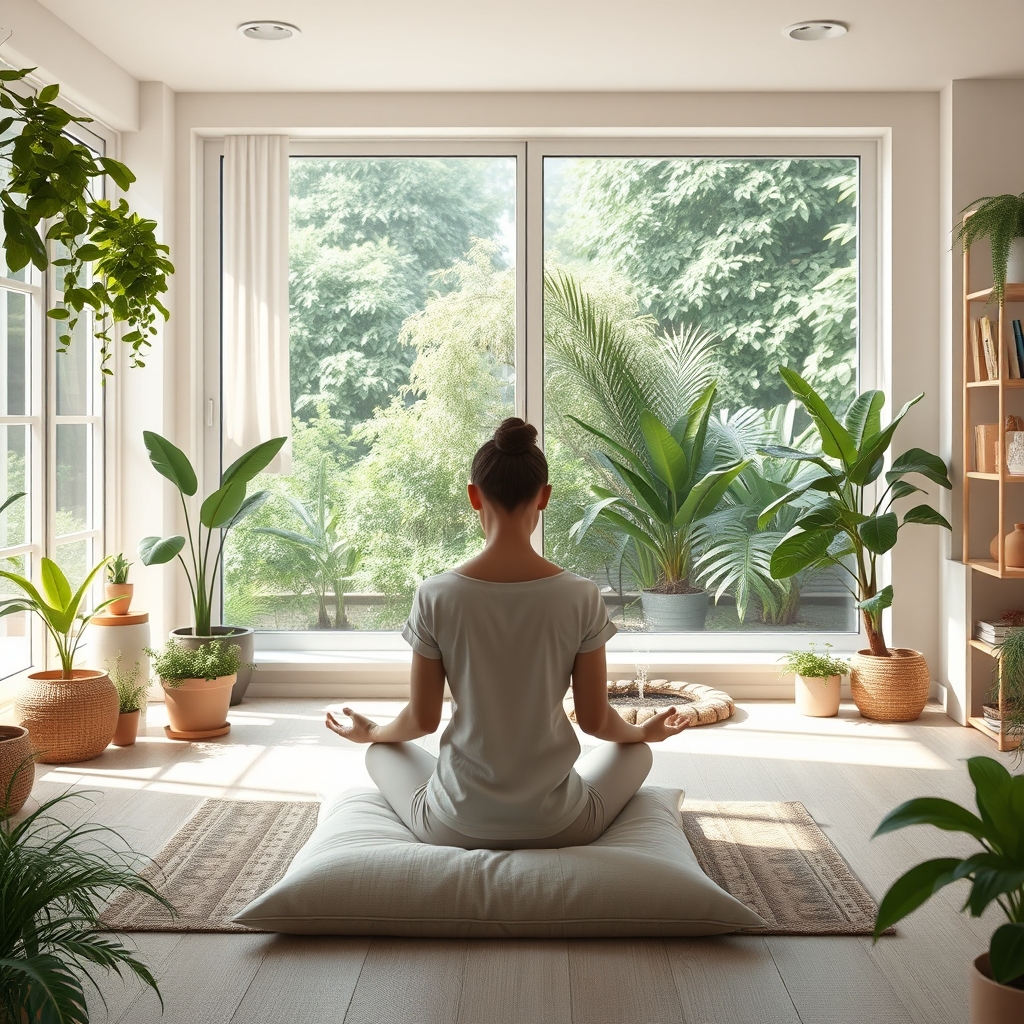
In the hustle and bustle of modern life, the concept of mindful living has emerged as a beacon of tranquility and balance. It’s not just a practice, but a way of life that combines the art of being present with the science of psychological well-being. This guide aims to delve into the intricacies of mindful living, offering insights and practical tips to help you cultivate a more mindful existence.
The Essence of Mindful Living
Mindful living is about being fully engaged in the present moment, aware of your thoughts, feelings, and surroundings without being overwhelmed by them. It’s about finding joy in the mundane and appreciating the beauty of the everyday. The essence of mindful living lies in the ability to be present, to listen attentively, and to respond thoughtfully rather than react impulsively.
The Psychological Benefits
Numerous studies have highlighted the psychological benefits of mindful living. Regular mindfulness practice can reduce stress, anxiety, and symptoms of depression. It enhances emotional regulation, improves focus and concentration, and fosters a greater sense of well-being. By cultivating mindfulness, we can develop a healthier relationship with our thoughts and emotions, leading to improved mental health.
The Physical Benefits
Beyond the mind, mindfulness also benefits the body. Research has shown that mindfulness can lower blood pressure, improve sleep quality, and boost the immune system. It can also help manage chronic pain and reduce the risk of heart disease. The mind-body connection is a powerful one, and mindfulness serves as a bridge to enhance this connection, promoting overall health and vitality.
Practical Tips for Mindful Living
Mindful Breathing
One of the simplest yet most effective ways to practice mindfulness is through mindful breathing. Focus your attention on your breath, observing the sensation of the air entering and leaving your body. When your mind wanders, gently bring it back to your breath. This practice can be done anywhere, at any time, making it a convenient tool for cultivating mindfulness in daily life.
Mindful Eating
Eating mindfully involves paying full attention to the experience of eating and drinking. Notice the colors, textures, and flavors of your food. Chew slowly and savor each bite. By eating mindfully, you can enhance your enjoyment of food, improve digestion, and develop a healthier relationship with eating.
Mindful Movement
Incorporating mindfulness into physical activity can transform exercise into a meditative practice. Whether it’s yoga, walking, or dancing, focus on the sensations in your body, the rhythm of your movement, and the connection between your mind and body. Mindful movement not only improves physical health but also enhances mental clarity and emotional balance.
Creating a Mindful Environment
Declutter Your Space
A cluttered environment can lead to a cluttered mind. By decluttering your space, you create a physical environment that supports mindfulness. Start with small areas, like your desk or a single room, and gradually expand to other parts of your home. A clean, organized space can promote a sense of calm and clarity, making it easier to practice mindfulness.
Incorporate Nature
Nature has a profound impact on our well-being. Incorporating natural elements into your environment, such as plants, natural light, or water features, can enhance mindfulness. Spend time outdoors, whether it’s a walk in the park or a hike in the mountains. Connecting with nature can ground you in the present moment and foster a sense of peace and tranquility.
Mindful Technology Use
In today’s digital age, technology can be both a blessing and a curse. Mindful technology use involves setting boundaries and being intentional about how and when you use technology. Designate tech-free times, such as during meals or before bedtime. Use technology to support mindfulness, such as guided meditation apps or mindfulness reminders, rather than as a distraction.
The Journey of Mindful Living
Embarking on the journey of mindful living is a personal and transformative experience. It’s not about achieving perfection but about embracing the process. There will be days when mindfulness comes easily and days when it feels like a struggle. The key is to approach each day with an open heart and a willingness to learn and grow.
As you integrate mindfulness into your life, you may notice subtle shifts in your perspective and behavior. You may find yourself responding to challenges with greater resilience and compassion. You may discover a deeper appreciation for the simple joys of life. These changes, though small, can have a profound impact on your overall well-being and quality of life.
Remember, mindful living is not a destination but a journey. It’s a continuous practice of being present, cultivating awareness, and embracing life with an open heart. As you navigate this journey, be kind to yourself and celebrate each step, no matter how small. For in the art and science of mindful living, every moment is an opportunity to grow, to learn, and to thrive.







Leave a comment