











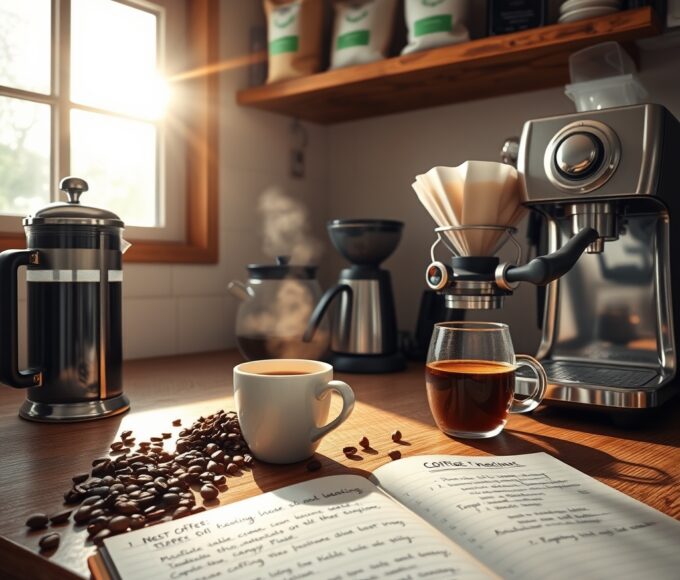







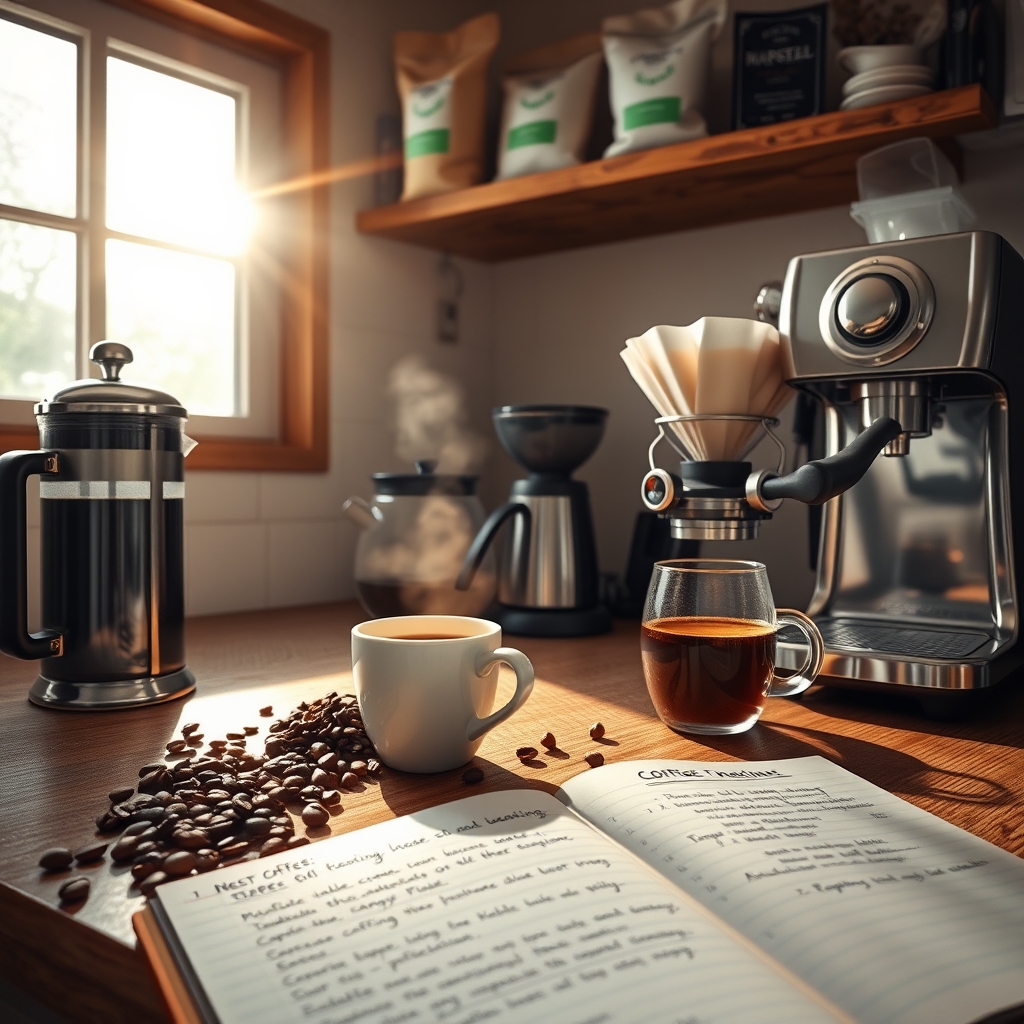
Imagine waking up to the rich, inviting aroma of freshly brewed coffee wafting through your home. For many, this isn’t just a morning ritual; it’s a moment of tranquility and anticipation for the day ahead. Brewing the perfect cup of coffee at home is both an art and a science, a delicate balance of precision and personal preference. Whether you’re a seasoned coffee enthusiast or a curious beginner, understanding the nuances of coffee brewing can elevate your daily cup from ordinary to extraordinary.
The Journey of Coffee: From Bean to Cup
The journey of coffee begins long before it reaches your cup. It starts with the coffee bean, which is actually the seed of a coffee cherry. These cherries are harvested, processed, and dried to reveal the green coffee beans inside. The beans are then roasted to bring out their unique flavors and aromas. The roasting process is crucial, as it transforms the green beans into the brown, fragrant beans we recognize. Light roasts retain more of the bean’s original flavors, while dark roasts develop deeper, richer notes.
Once the beans are roasted, they are ground to prepare for brewing. The grind size plays a significant role in the final taste of your coffee. A fine grind is ideal for espresso machines, while a coarser grind works best for methods like French press or cold brew. The key is to match the grind size to your brewing method to achieve optimal extraction.
Choosing the Right Brewing Method
There are numerous ways to brew coffee, each with its own set of advantages and unique characteristics. Here are a few popular methods:
Drip Coffee Makers
Drip coffee makers are a staple in many households due to their convenience and consistency. They work by heating water and dripping it over ground coffee contained in a filter. The water passes through the coffee, extracting its flavors and oils, before collecting in a carafe. Drip coffee makers are great for brewing larger quantities of coffee and are relatively easy to use.
French Press
The French press, also known as a press pot or plunger pot, is a manual brewing method that produces a full-bodied, rich cup of coffee. Coarsely ground coffee is steeped in hot water for several minutes, and then a metal or mesh plunger is pressed down to separate the grounds from the liquid. This method allows for more control over the brewing process and can result in a more flavorful cup of coffee.
Pour-Over
Pour-over coffee is a manual brewing method that involves pouring hot water over coffee grounds in a filter. The water drains through the coffee and filter into a carafe or mug. This method allows for precise control over the water temperature and flow rate, resulting in a clean, flavorful cup of coffee. Pour-over is often favored by coffee enthusiasts for its ability to highlight the unique characteristics of different coffee beans.
Espresso Machines
Espresso machines use pressure to force hot water through finely-ground coffee, producing a concentrated, full-flavored shot of espresso. This method requires a bit more skill and practice to master but can result in a rich, creamy cup of coffee with a layer of crema on top. Espresso serves as the base for many popular coffee drinks, such as lattes, cappuccinos, and Americanos.
The Importance of Water Quality and Temperature
Water makes up the majority of your cup of coffee, so its quality and temperature play a crucial role in the final taste. Ideally, you should use filtered water to avoid any impurities or off-flavors. The water temperature should be between 195°F and 205°F (90°C to 96°C) for optimal extraction. If the water is too hot, it can over-extract the coffee, resulting in a bitter taste. If it’s too cold, the coffee may be under-extracted and taste weak or sour.
Many coffee makers come with built-in water filters and temperature controls, making it easier to achieve the perfect brew. However, if you’re using a manual brewing method, you may need to heat the water separately and monitor the temperature closely.
Understanding Coffee-to-Water Ratio
The coffee-to-water ratio is another critical factor in brewing the perfect cup. This ratio refers to the amount of coffee grounds used relative to the amount of water. A common starting point is a 1:15 ratio, which means 1 gram of coffee for every 15 grams of water. However, this can be adjusted to suit your personal taste preferences.
For example, if you prefer a stronger cup of coffee, you might use a 1:12 ratio. Conversely, if you like a milder taste, a 1:18 ratio might be more suitable. Experimenting with different ratios can help you find the perfect balance for your palate.
The Role of Freshness
Freshness is key when it comes to coffee. Coffee beans start to lose their flavor and aroma shortly after being roasted, so it’s best to use them within a few weeks of the roast date. Once the beans are ground, the process of oxidation and staling accelerates, which is why it’s recommended to grind your coffee beans just before brewing.
Storing your coffee properly can also help maintain its freshness. Keep your beans in an airtight container, away from light, heat, and moisture. Avoid storing coffee in the refrigerator or freezer, as the fluctuating temperatures and humidity can degrade the quality of the beans.
Experimenting with Different Beans and Roasts
One of the joys of brewing coffee at home is the opportunity to experiment with different beans and roasts. Coffee beans come from various regions around the world, each with its own unique climate, soil, and altitude, which contribute to the flavor profile of the beans. For instance, beans from Ethiopia are known for their bright, fruity notes, while beans from Colombia often have a balanced, medium body with a slight acidity.
Similarly, different roast levels can dramatically affect the taste of your coffee. Light roasts tend to retain more of the bean’s original flavors, offering a more complex and nuanced cup. Medium roasts strike a balance between the bean’s natural flavors and the caramelized sugars developed during roasting. Dark roasts, on the other hand, have a bold, rich flavor with notes of chocolate and smokiness.
Don’t be afraid to try different beans and roasts to discover your preferences. Many coffee roasters offer sample packs or subscriptions that allow you to explore a variety of options. Keeping a coffee journal can also be helpful, as it lets you record your thoughts and impressions of each brew, helping you refine your palate and brewing techniques over time.
As you delve deeper into the world of coffee brewing, you’ll find that the process is as rewarding as the final cup. The art and science of brewing the perfect cup of coffee at home is a journey of discovery, one that engages your senses and invites you to savor each moment. With each brew, you’ll refine your skills, develop your preferences, and create a ritual that brings joy and comfort to your daily routine. So, take your time, experiment, and most importantly, enjoy the process. After all, the perfect cup of coffee is not just about the destination; it’s about the journey.








Leave a comment