


















In the hustle and bustle of modern life, finding a moment of tranquility can seem like an impossible task. The constant barrage of notifications, deadlines, and responsibilities can leave us feeling overwhelmed and disconnected from ourselves. However, there is a powerful tool that can help us navigate this chaos and cultivate a sense of inner peace: mindfulness.
Understanding Mindfulness
Mindfulness is the practice of being present and fully engaged in the current moment, without judgment or distraction. It involves paying attention to our thoughts, feelings, bodily sensations, and the surrounding environment with a gentle, nurturing lens. This ancient practice, rooted in Buddhist meditation, has gained significant attention in recent years due to its profound benefits for mental and physical health.
The Science Behind Mindfulness
Numerous studies have shown that mindfulness can have a positive impact on various aspects of our well-being. For instance, research has demonstrated that mindfulness can reduce stress, anxiety, and depression. It can also improve attention, memory, and cognitive flexibility. Moreover, mindfulness has been linked to enhanced emotional regulation, increased self-awareness, and improved relationship satisfaction.
One of the key mechanisms through which mindfulness exerts its benefits is by promoting changes in the brain. Neuroimaging studies have revealed that regular mindfulness practice can lead to structural changes in areas of the brain associated with attention, emotion regulation, and self-awareness. For example, mindfulness has been shown to increase the density of gray matter in the prefrontal cortex, which is involved in executive functions such as decision-making and problem-solving.
The Art of Mindfulness
While the science of mindfulness provides a compelling case for its practice, the art of mindfulness lies in its simplicity and accessibility. Mindfulness can be practiced anywhere, at any time, and by anyone. It does not require any special equipment or training, just a willingness to be present and open to the current moment.
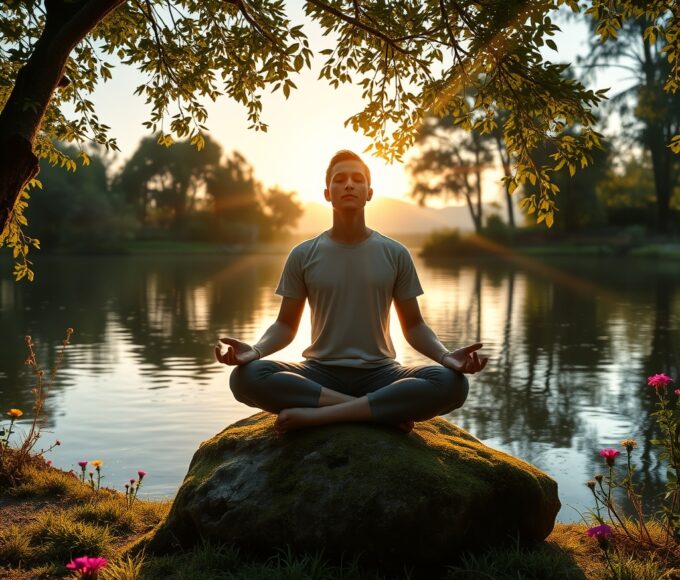
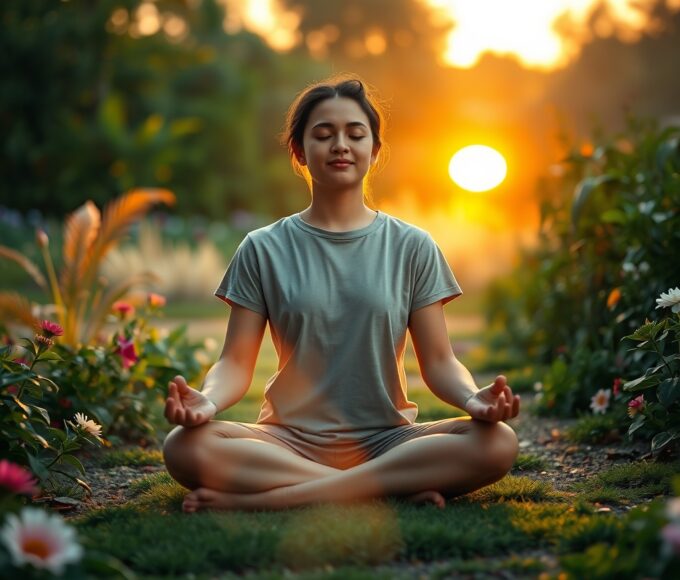
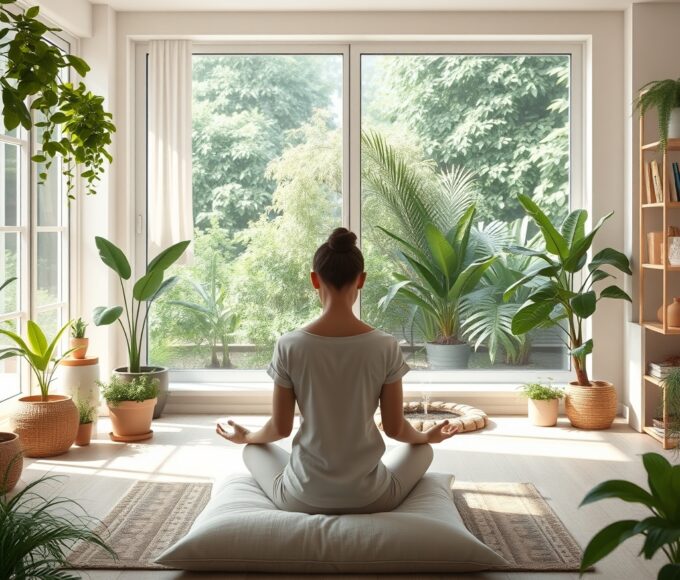
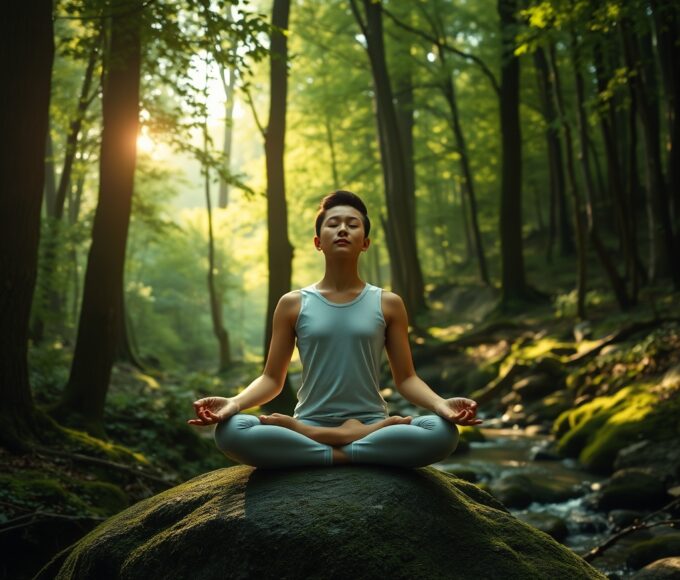
One of the most common ways to practice mindfulness is through meditation. Mindfulness meditation involves sitting quietly and focusing on the breath, while gently acknowledging and letting go of any thoughts or distractions that arise. This practice can help cultivate a sense of calm and clarity, allowing us to respond to life’s challenges with greater wisdom and compassion.
Incorporating Mindfulness into Daily Life
While formal meditation is a powerful tool for cultivating mindfulness, it is not the only way. Mindfulness can be integrated into our daily lives in numerous ways, from mindful eating to mindful walking. The key is to bring a sense of awareness and presence to whatever we are doing, whether it is washing the dishes, driving to work, or having a conversation with a loved one.
One of the most effective ways to incorporate mindfulness into daily life is through informal mindfulness practices. These involve bringing mindfulness to everyday activities, such as brushing your teeth, taking a shower, or eating a meal. By paying attention to the sensations, thoughts, and emotions that arise during these activities, we can cultivate a greater sense of presence and engagement in our lives.
Mindful Eating
Mindful eating is a practice that involves paying full attention to the experience of eating and drinking, both inside and outside the body. It involves noticing the colors, smells, textures, flavors, temperatures, and even the sounds of our food. It also involves paying attention to the body’s hunger and fullness cues, as well as any thoughts or emotions that arise during the eating experience.
By practicing mindful eating, we can cultivate a healthier and more enjoyable relationship with food. We can learn to savor and appreciate our meals, rather than eating mindlessly or out of habit. Moreover, mindful eating can help us make more conscious and nourishing food choices, leading to improved physical health and well-being.
Mindful Movement
Mindful movement involves bringing mindfulness to physical activities, such as walking, running, yoga, or even dancing. It involves paying attention to the sensations, thoughts, and emotions that arise during movement, as well as the environment around us. By practicing mindful movement, we can cultivate a greater sense of connection and presence in our bodies, as well as improved physical health and fitness.
One of the most accessible forms of mindful movement is mindful walking. This practice involves walking slowly and deliberately, paying attention to the sensations of the feet touching the ground, the movement of the body, and the environment around us. Mindful walking can be practiced anywhere, from a quiet park to a bustling city street, and can be a powerful way to cultivate mindfulness and presence in our daily lives.
The Benefits of Mindfulness for Mental Health
Mindfulness has been shown to have numerous benefits for mental health. For instance, it can help reduce symptoms of anxiety and depression by promoting a sense of calm and relaxation. It can also improve emotional regulation, allowing us to respond to difficult emotions with greater wisdom and compassion. Moreover, mindfulness can enhance self-awareness, helping us to recognize and challenge negative thought patterns and beliefs.
One of the most significant benefits of mindfulness for mental health is its ability to promote a sense of acceptance and non-judgment. By cultivating a non-judgmental attitude towards our thoughts, feelings, and experiences, we can learn to accept and embrace the full range of our human experience, rather than resisting or avoiding it. This can lead to a greater sense of peace, contentment, and well-being.
The Role of Mindfulness in Physical Health
In addition to its benefits for mental health, mindfulness can also have a positive impact on physical health. For instance, research has shown that mindfulness can lower blood pressure, improve sleep, and boost the immune system. It can also help manage chronic pain by promoting a sense of acceptance and non-resistance to the pain experience.
Moreover, mindfulness can promote healthier lifestyle choices, such as improved diet and increased physical activity. By cultivating a greater sense of awareness and presence in our lives, we can make more conscious and nourishing choices that support our physical health and well-being.
Mindfulness and Relationships
Mindfulness can also have a profound impact on our relationships with others. By cultivating a sense of presence and openness, we can communicate more effectively, listen more deeply, and respond more compassionately to the needs of others. This can lead to improved relationship satisfaction, as well as a greater sense of connection and intimacy.
One of the key ways that mindfulness can enhance our relationships is by promoting empathy and compassion. By practicing mindfulness, we can cultivate a greater sense of understanding and concern for the well-being of others. This can help us to respond to the needs of others with greater kindness and generosity, leading to more harmonious and fulfilling relationships.
As we navigate the complexities and challenges of modern life, the practice of mindfulness offers a powerful tool for cultivating inner peace, enhanced well-being, and a deeper connection to ourselves and others. By integrating mindfulness into our daily lives, we can learn to savor the present moment, respond to life’s challenges with greater wisdom and compassion, and ultimately, live more fully and authentically. Whether through formal meditation or informal mindfulness practices, the art and science of mindfulness provide a path to a more mindful, meaningful, and joyful life.







Leave a comment