












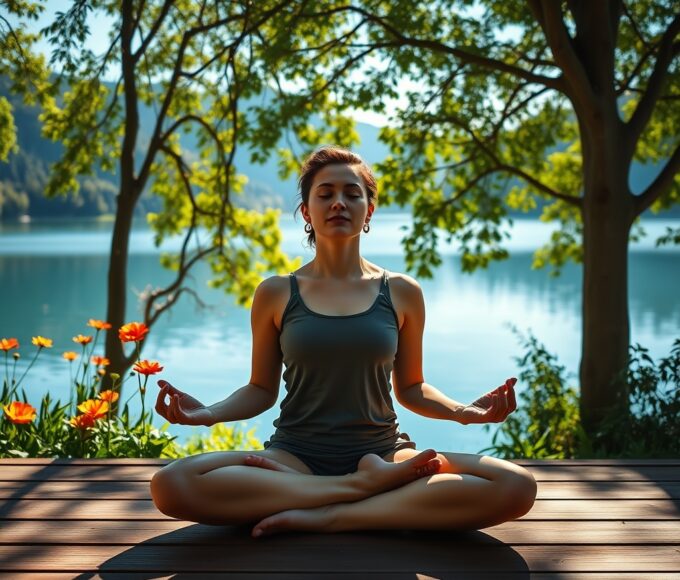









In the hustle and bustle of modern life, finding a moment of tranquility can seem like an impossible task. The constant barrage of notifications, emails, and social media updates can leave us feeling overwhelmed and disconnected from ourselves. Mindfulness, a practice rooted in ancient traditions, offers a sanctuary of calm amidst the chaos. It is both an art and a science, a journey to inner peace that anyone can embark upon.
The Origins of Mindfulness
Mindfulness has its roots in Buddhist meditation practices that date back over 2,500 years. The term itself is derived from the Pali word ‘sati,’ which means awareness or remembrance. However, mindfulness as we understand it today is not solely a religious or spiritual practice. It has been secularized and adapted to fit into modern, non-religious contexts, making it accessible to people from all walks of life.
The Science Behind Mindfulness
Over the past few decades, mindfulness has garnered significant attention from the scientific community. Numerous studies have demonstrated its benefits for mental and physical health. Research has shown that regular mindfulness practice can reduce stress, anxiety, and depression. It can also improve attention, memory, and emotional regulation.
One of the key findings in neuroscience is that mindfulness can physically change the structure of the brain. Studies using MRI scans have shown that long-term mindfulness practitioners have increased gray matter density in areas of the brain associated with learning, memory, and emotional regulation. This neuroplasticity, or the brain’s ability to change and adapt, is a testament to the transformative power of mindfulness.
The Art of Mindfulness
While the science of mindfulness provides a compelling case for its practice, the art of mindfulness lies in its simplicity and accessibility. At its core, mindfulness is about paying attention to the present moment without judgment. It is about cultivating a sense of curiosity and openness to whatever arises in our experience.
One of the most common ways to practice mindfulness is through meditation. This can involve sitting quietly and focusing on the breath, or engaging in a body scan where attention is systematically directed to different parts of the body. However, mindfulness is not limited to formal meditation practices. It can be integrated into everyday activities such as eating, walking, or even washing the dishes.
The Benefits of Mindfulness
The benefits of mindfulness are vast and far-reaching. On a mental level, mindfulness can help to quiet the constant chatter of the mind, providing a sense of clarity and focus. It can also foster a greater sense of self-awareness, allowing us to recognize and break free from habitual patterns of thought and behavior that may be causing us harm.
On an emotional level, mindfulness can help to cultivate a greater sense of compassion and kindness, both towards ourselves and others. It can also provide a safe space to explore and process difficult emotions, leading to greater emotional resilience and well-being.
On a physical level, mindfulness has been shown to have a positive impact on various aspects of health. It can lower blood pressure, improve sleep, and boost the immune system. It can also help to manage chronic pain and improve overall physical well-being.
Mindfulness in Everyday Life
Incorporating mindfulness into everyday life does not require a significant time commitment or a drastic change in lifestyle. It can be as simple as taking a few moments each day to pause and connect with the present moment. This could involve noticing the sensations of the breath, the feeling of the feet on the ground, or the sights and sounds of the environment.
Mindfulness can also be practiced through mindful eating, which involves paying full attention to the experience of eating and drinking, both inside and outside the body. This can help to foster a healthier relationship with food and enhance the enjoyment of meals.
Another way to practice mindfulness in everyday life is through mindful movement. This could involve yoga, tai chi, or simply going for a walk and paying attention to the sensations of the body and the environment.
Overcoming Challenges in Mindfulness Practice
While the benefits of mindfulness are clear, it is not always easy to maintain a regular practice. One of the most common challenges is finding the time to practice mindfulness amidst the demands of daily life. However, it is important to remember that mindfulness is not about adding another task to the to-do list. It is about cultivating a different way of being, one that can be integrated into the activities we are already doing.
Another challenge is dealing with the distractions and wandering thoughts that inevitably arise during mindfulness practice. It is important to approach these distractions with a sense of curiosity and kindness, rather than judgment or frustration. The goal of mindfulness is not to empty the mind of thoughts, but rather to become aware of them and cultivate a sense of detachment.
Finally, it is important to approach mindfulness practice with a sense of patience and non-striving. Mindfulness is not about achieving a particular state or outcome, but rather about being fully present with whatever arises in the moment. It is a journey, not a destination, and each moment of practice is an opportunity to cultivate greater awareness and understanding.
As we navigate the complexities of modern life, mindfulness offers a beacon of hope and a path to inner peace. It is a practice that is both deeply personal and universally accessible, a journey that each of us can embark upon in our own unique way. Whether through formal meditation practices or the integration of mindfulness into everyday activities, the art and science of mindfulness can provide a sanctuary of calm amidst the chaos, a journey to inner peace that is always within reach.






Leave a comment